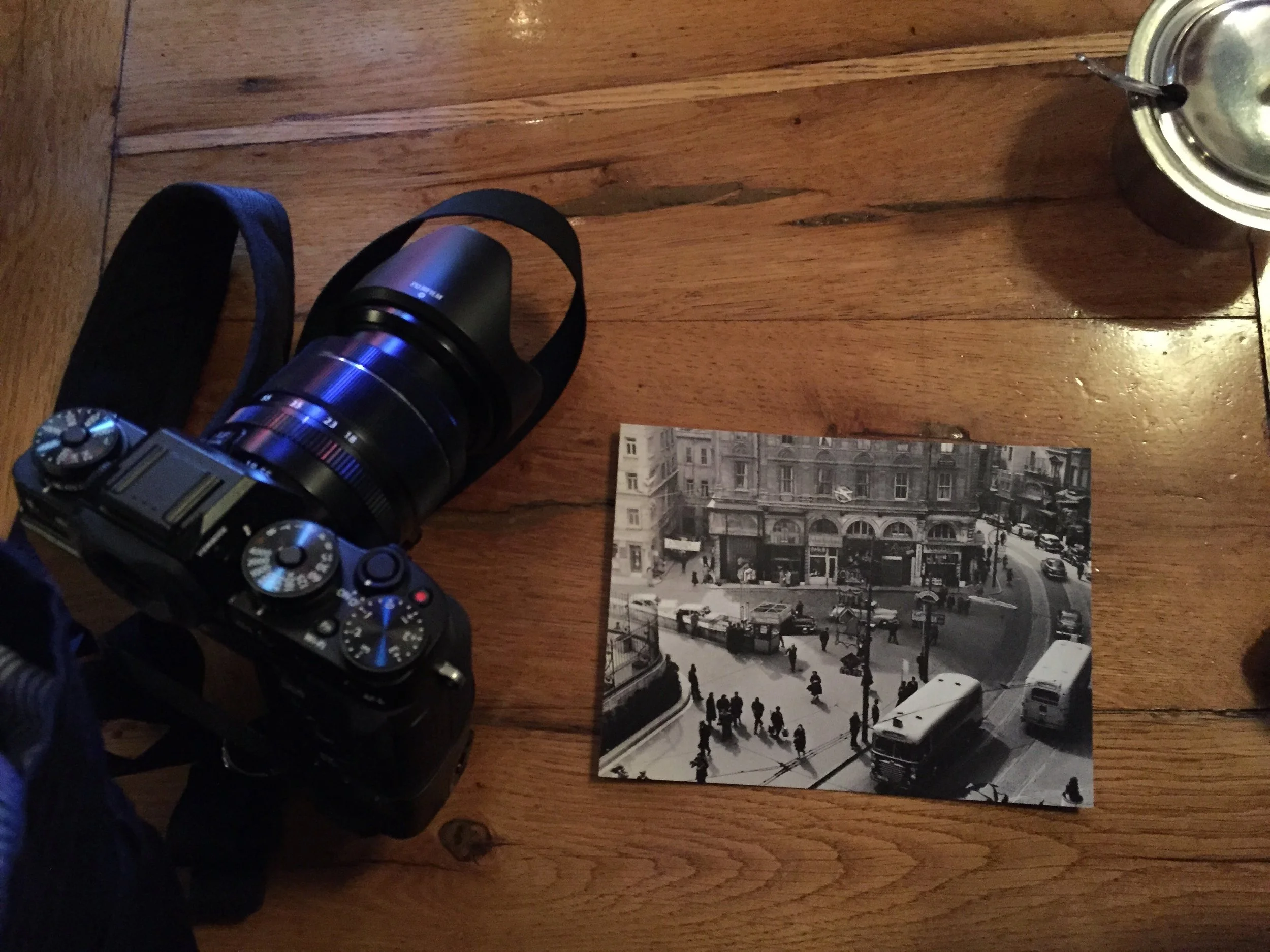
Istanbul, March 2015
By March 2015, I'd been working for a Turkish company for three years — regular business trips, the usual landmarks, a working familiarity with the city. Then the official program wrapped up one evening in Kalamış, the local colleagues suggested a walk, and I said yes without asking where.
There's a difference between visiting a city and being taken through it by someone who lives there.
I can't reconstruct the evening from memory alone. But I have the photographs — and now, having lived in Istanbul for several years, I can finally read the map of that night.
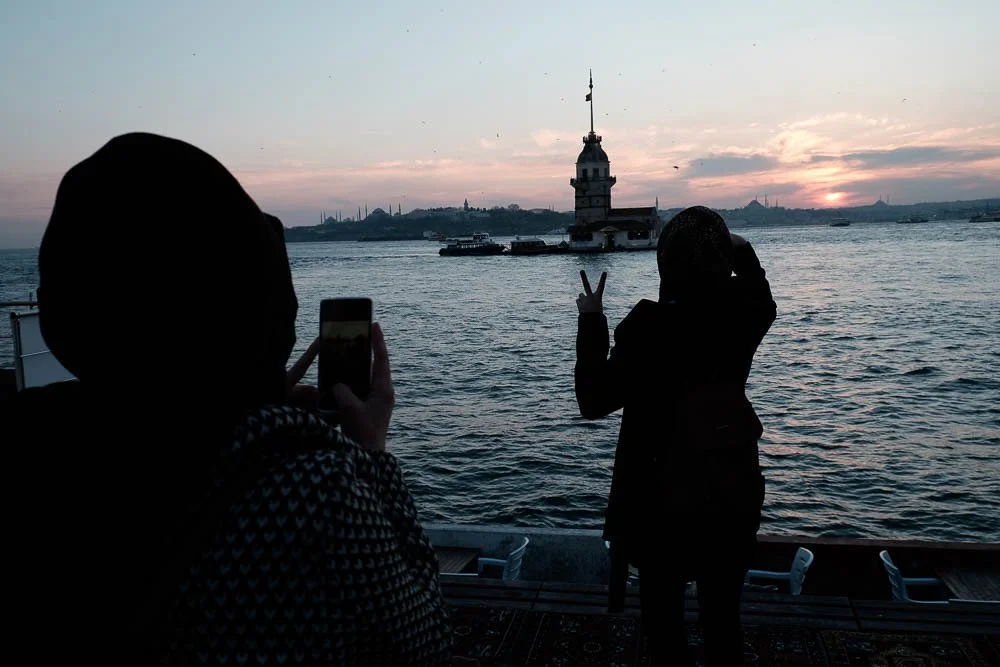
Maiden's Tower at sunset, March 2015
We walked along the Kadıköy waterfront and I made one of my best Istanbul shots — two women moving through the frame, the Maiden's Tower floating in the water behind them. Then through Moda, down to the Marmaray — the underwater tunnel that had opened barely a year before, connecting Asia to Europe in four minutes under the Bosphorus.
We surfaced at Eminönü, crossed the Galata Bridge through the fishermen and the evening crowds, moved through Karaköy while it was still just Karaköy — before the renovation, before Galataport claimed the waterfront. Up to the Galata Tower.
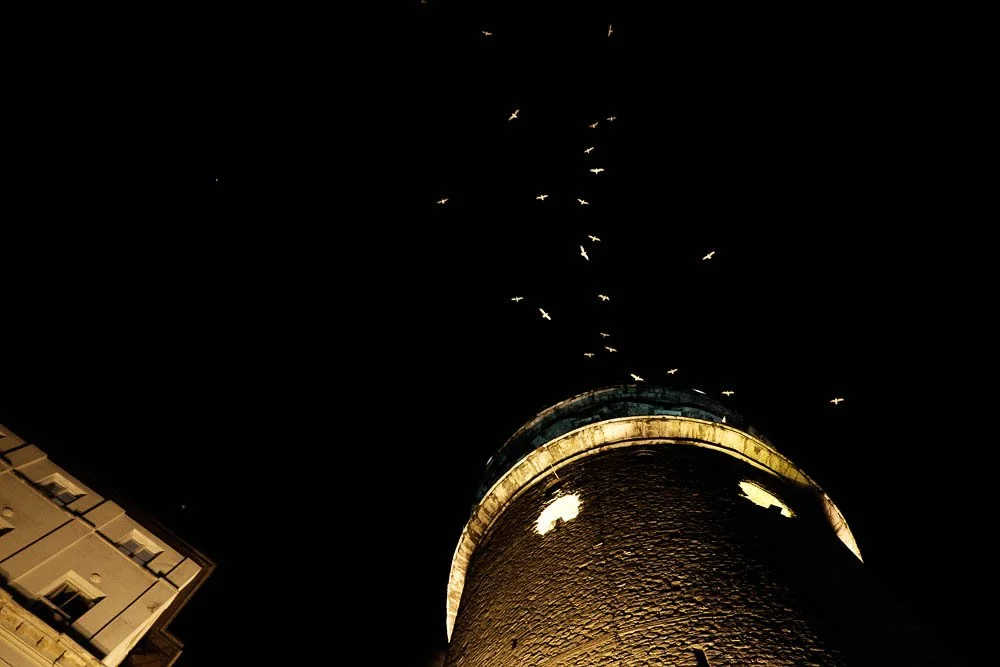
Below the tower, looking up: seagulls turning slow circles against the dark sky, lit from underneath by the floodlights. White shapes against black, moving in and out of the light.
I'd spent most of 2014 in workshops with Gueorgui Pinkhassov — a Magnum photographer whose interest isn't in documenting what's in front of the lens but in what light does when you let it lead. Those months had changed something in how I looked. In Istanbul, still shooting with that in my head, I couldn't stop.
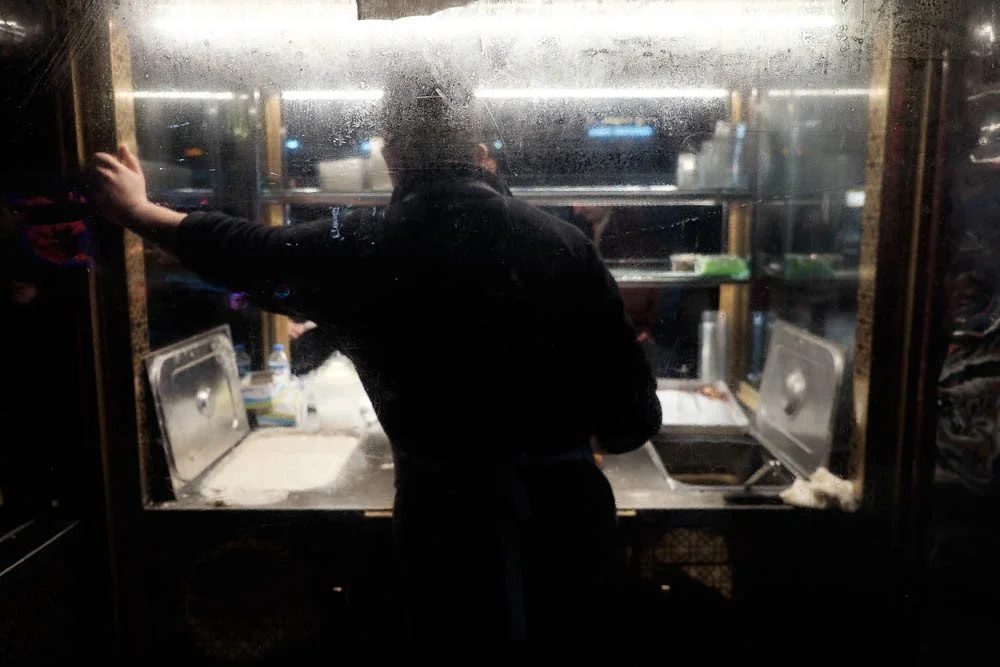
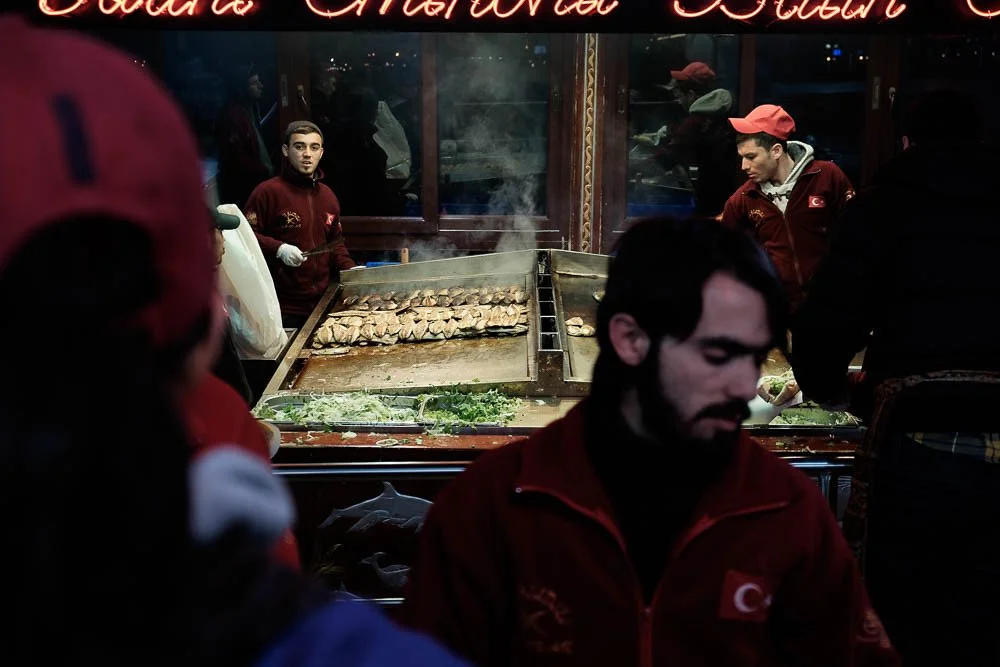
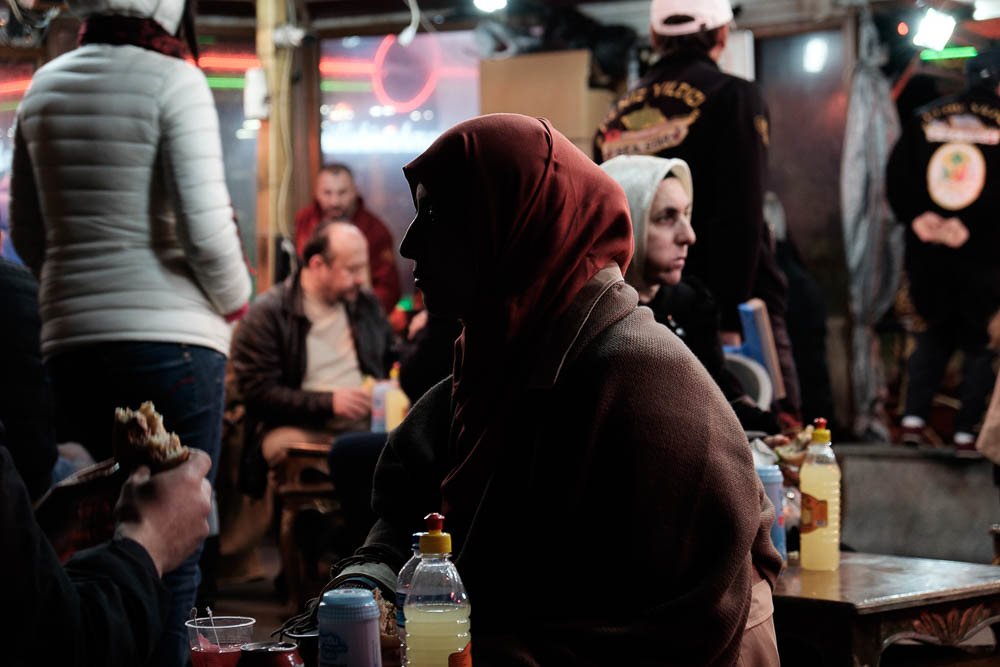
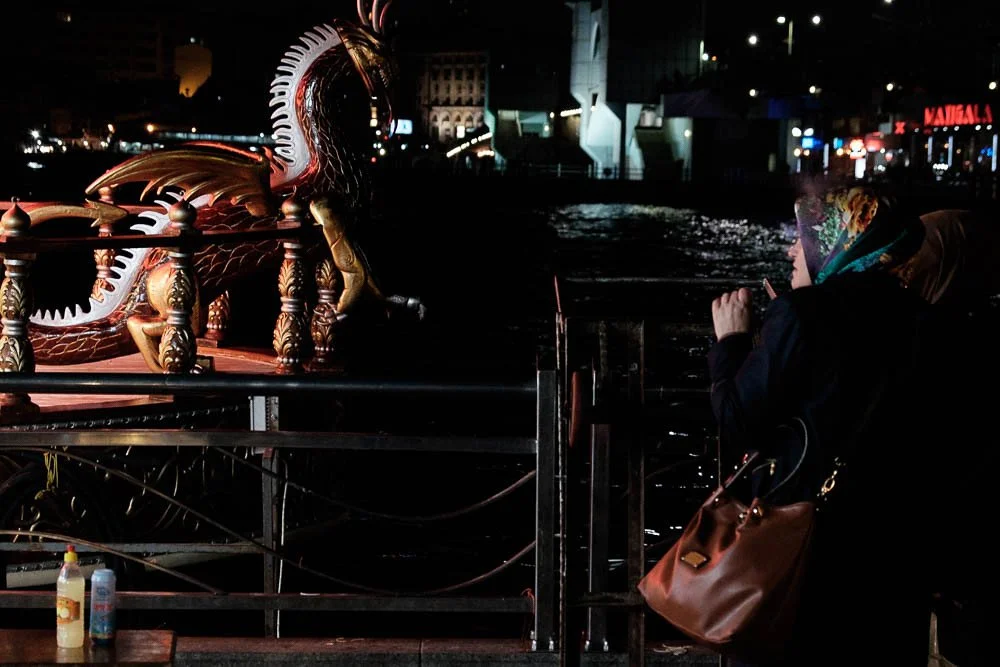
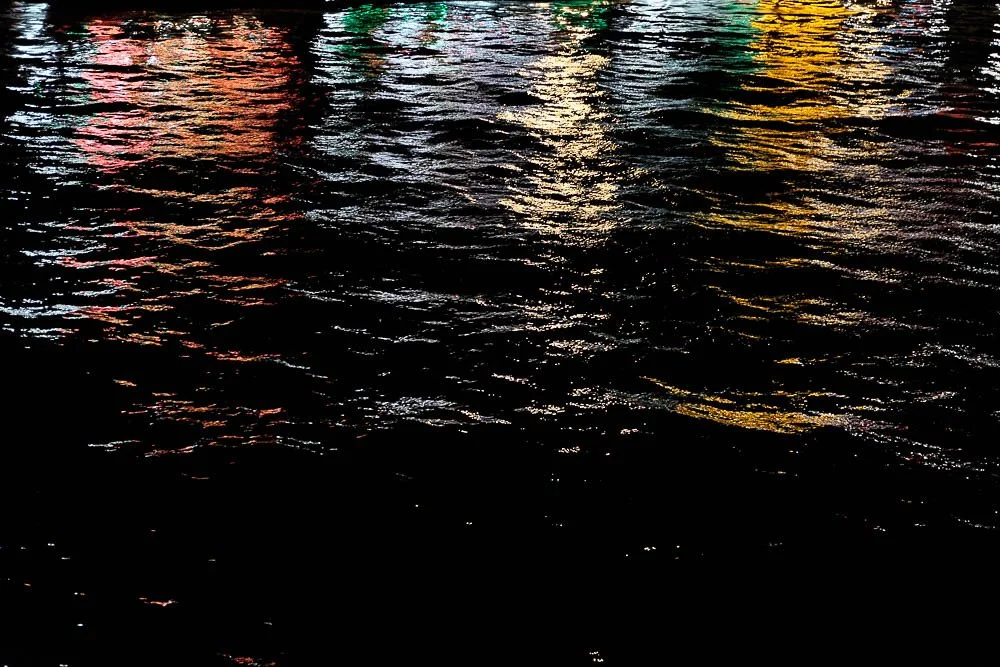
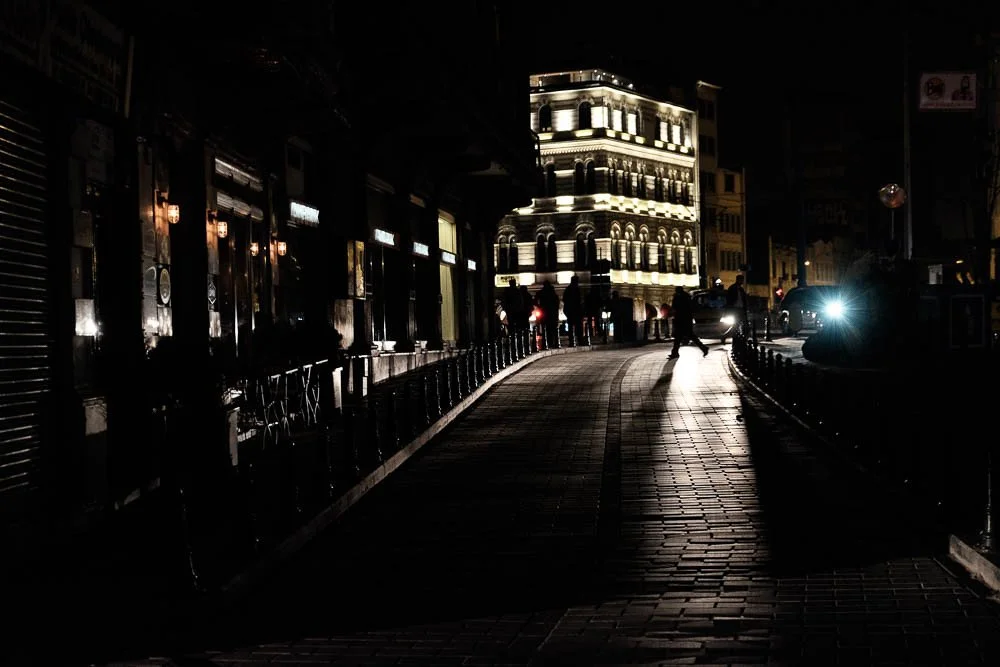
The next morning I went back to Beyoğlu. I was still convinced, as most European-side loyalists are at some point, that there was little reason to cross to Asia beyond necessity. I'd get over that — but not yet. I wasn't running back then either, so an early loop along the Asian waterfront hadn't crossed my mind.
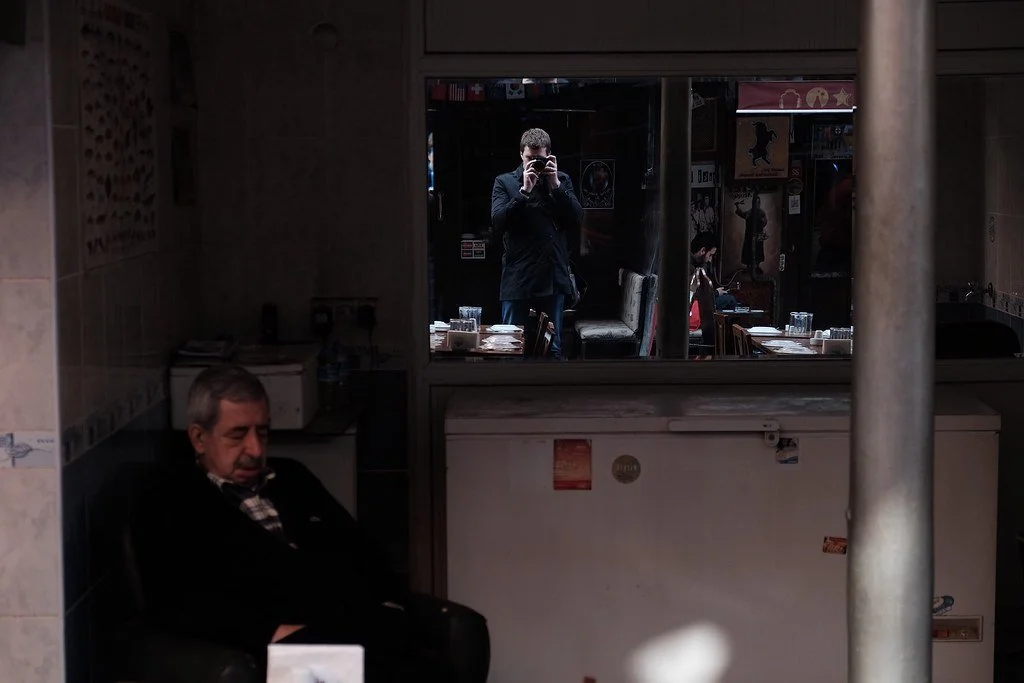
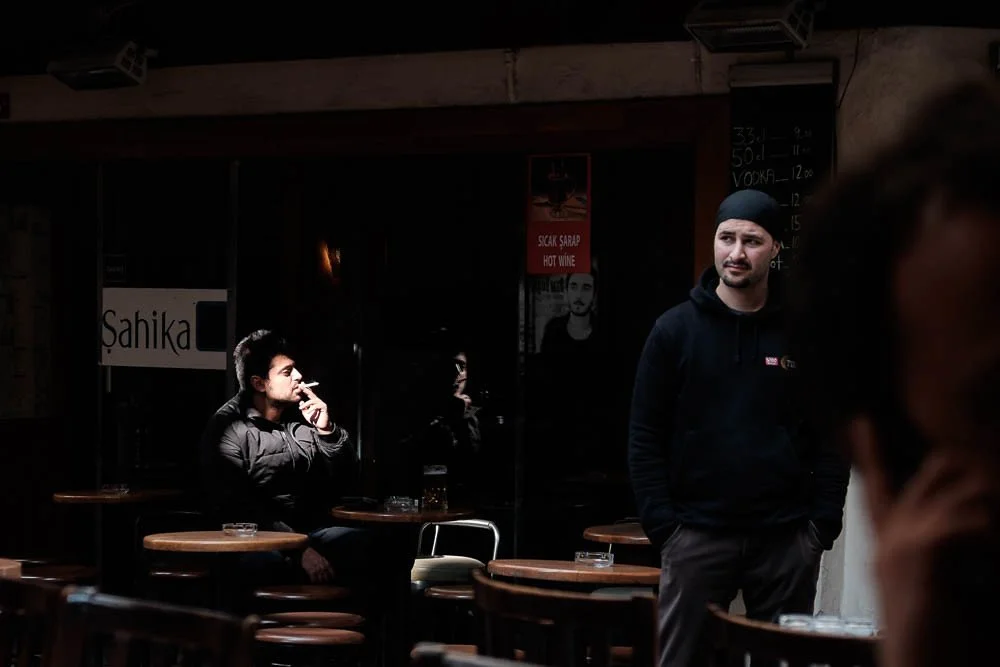
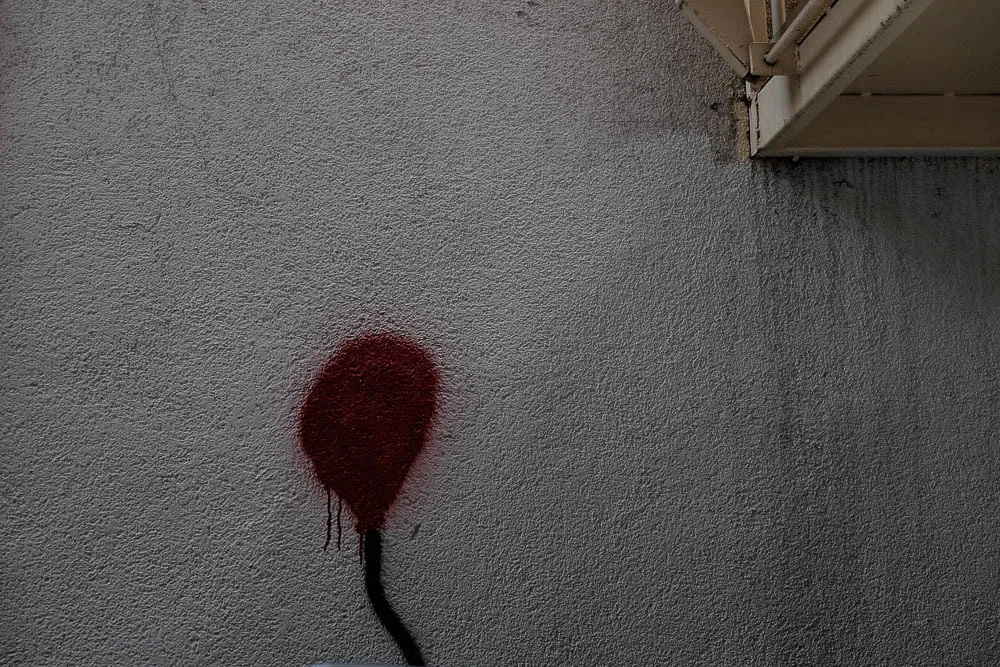
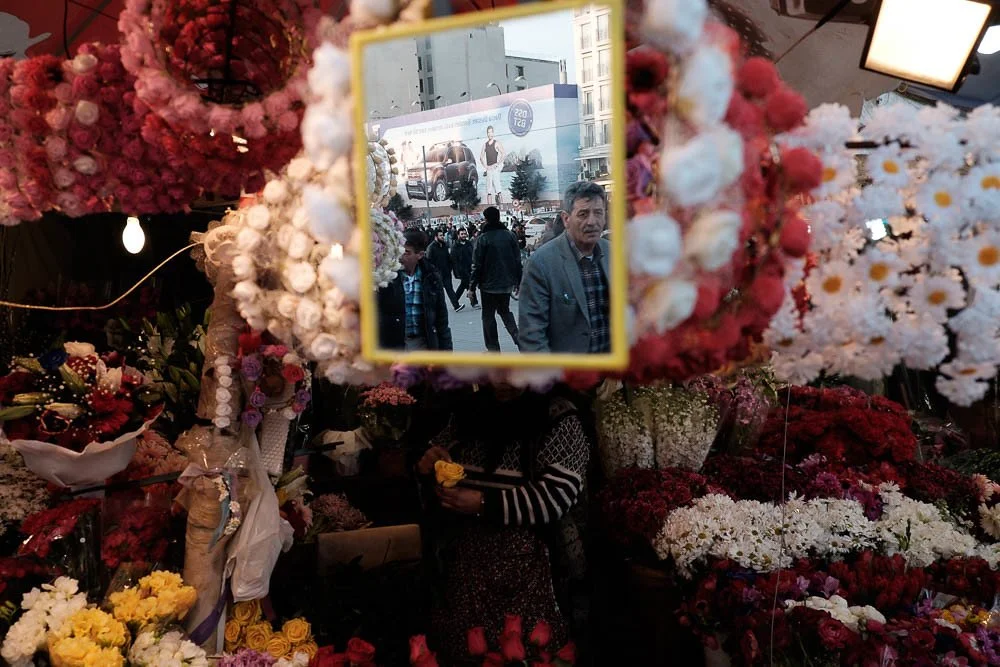
From Taksim down İstiklal, I picked up a postcard somewhere along the way. My destination was Kafe Ara — a small café in a side street near Galatasaray, named after Ara Güler, the photographer they called the Eye of Istanbul. His black-and-white photographs covered every wall. It felt less like a café than an archive that happened to have an espresso machine.
I ordered coffee, went through the previous evening's shots on the camera screen, and quietly, somewhat absurdly, hoped that Ara Güler himself would walk in. He was in his eighties. Known to appear. It seemed like a reasonable thing to hope for.
He didn't appear.
I've been back to Kafe Ara several times since. He died in 2018. His books are on my shelf — in the city he never stopped photographing.