A week in Bogota and Cartagena
Some trips you plan for months. This one I agreed to in about ten seconds.
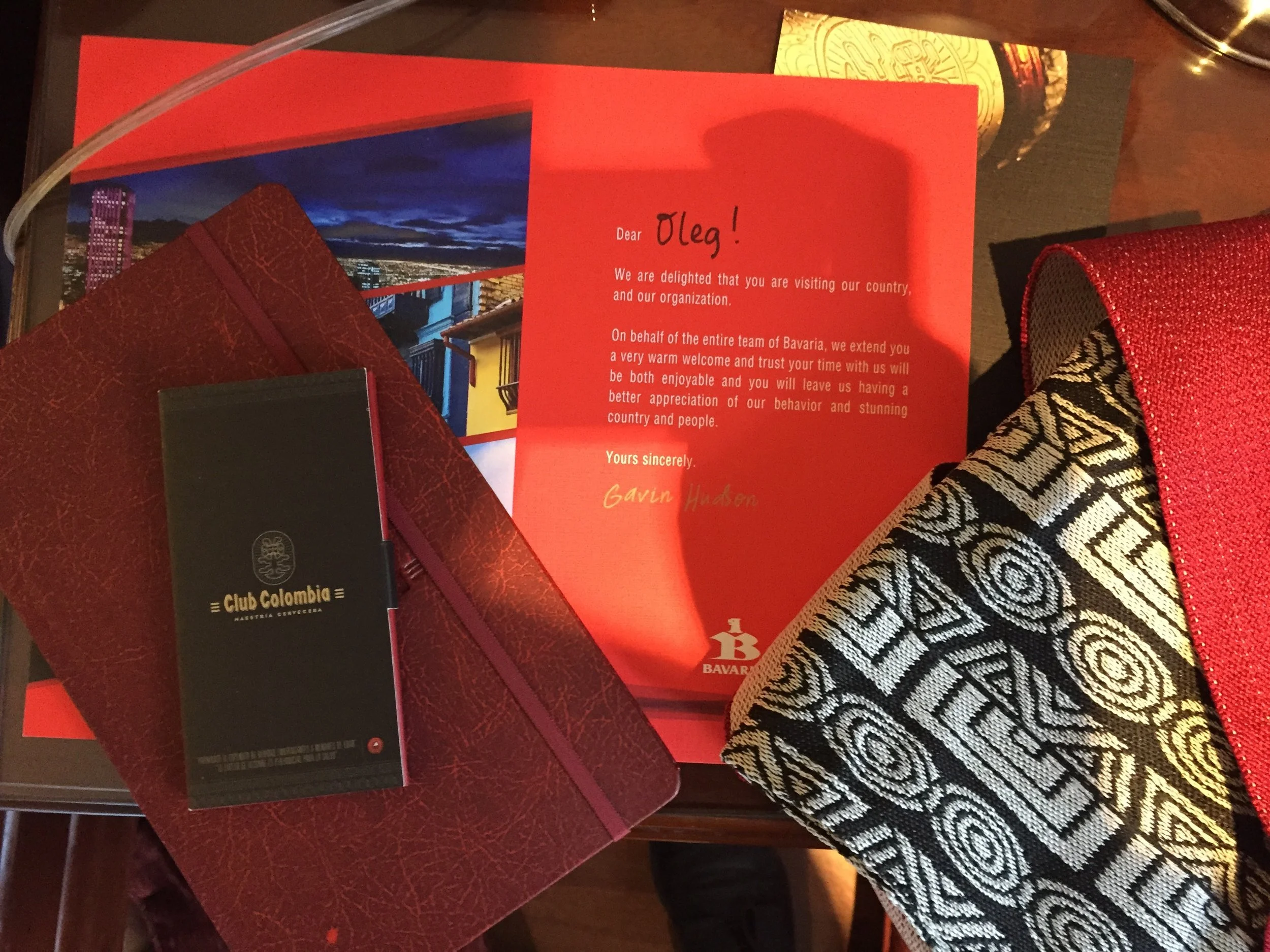
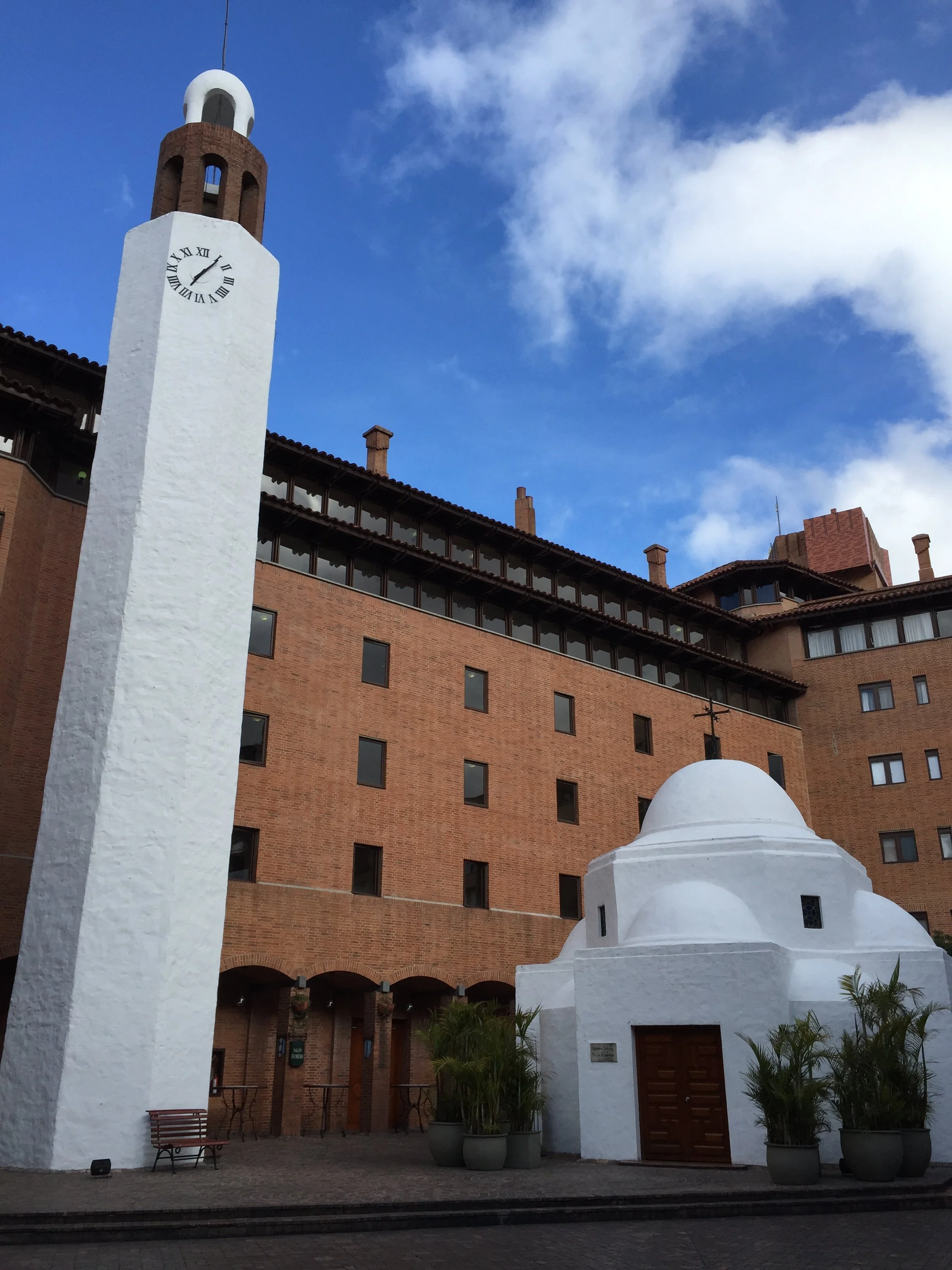
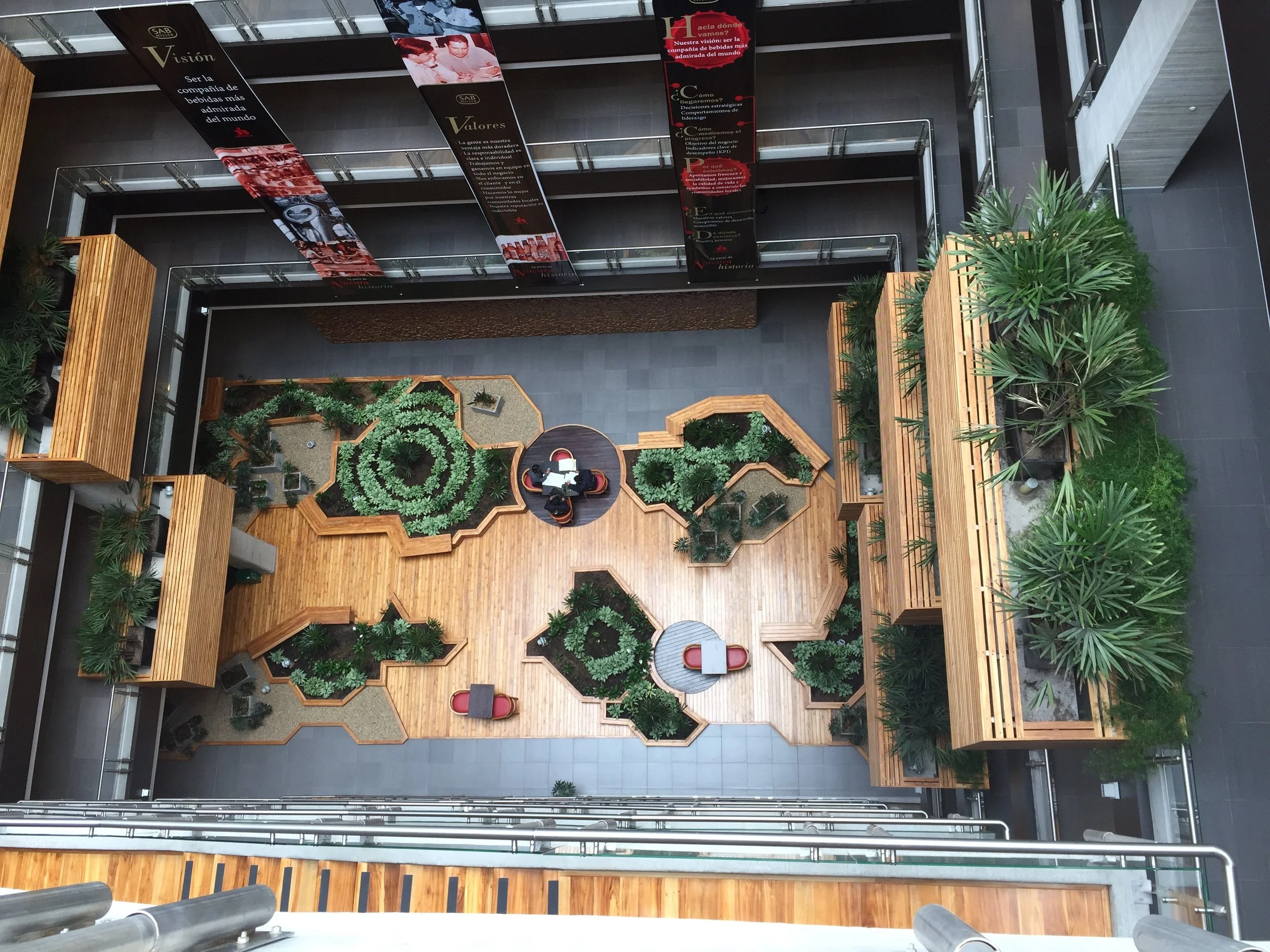
A week-long business trip to Bogotá — in 2015 our new CEO had run commercial operations in Colombia for SABMiller, one of the company's largest markets, and we were going to learn from them. A working visit. Packed schedule. Flights that took the better part of a day.
I packed the camera anyway.
Bogotá sits at 2,600 metres. The jet lag hits first, then the altitude reminds you it's there — a dull headache, a slight shortness of breath that catches you off guard on stairs. One colleague had it worse than the rest of us. I got lucky.
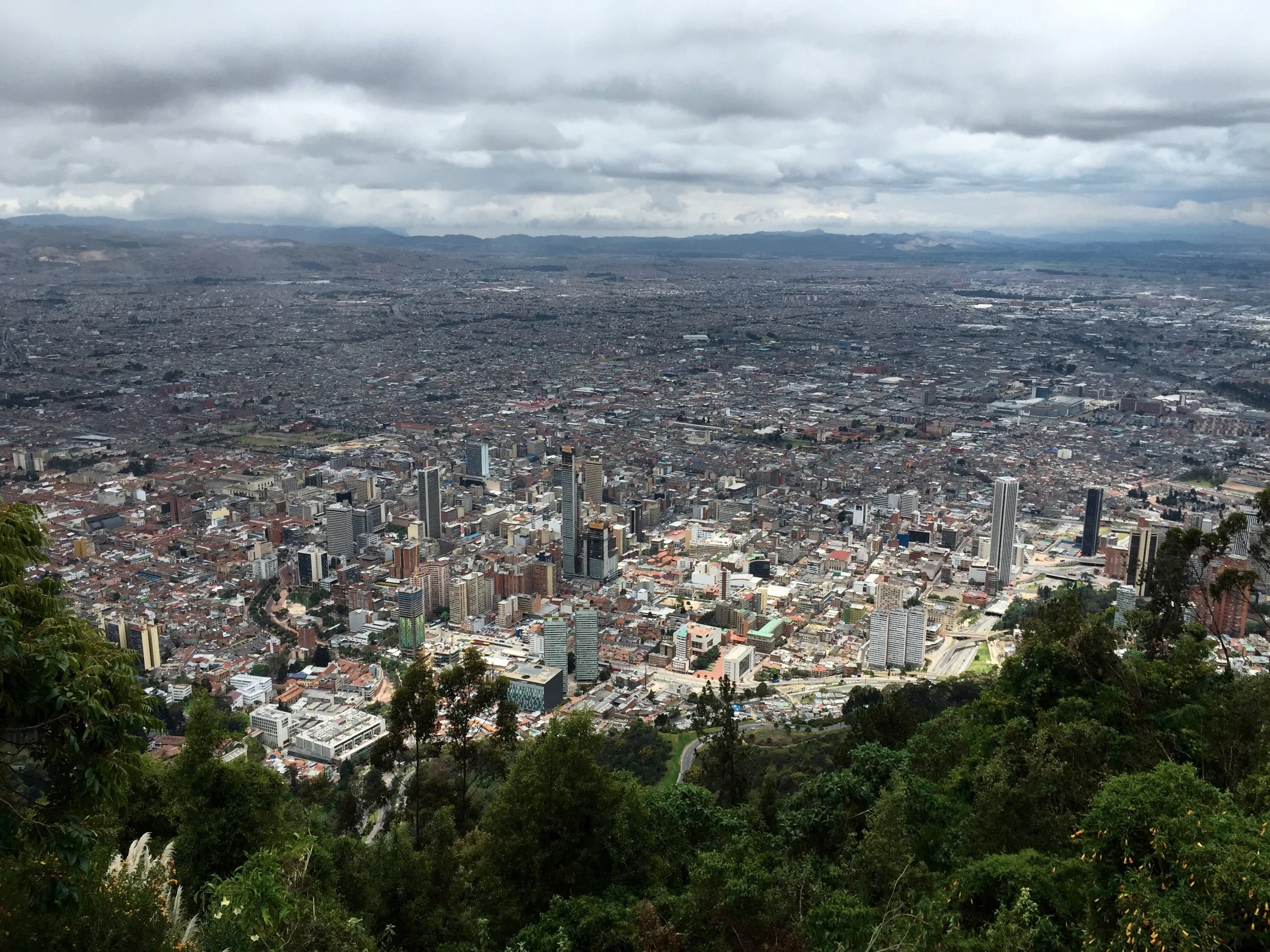
Bogotá, view from Montserrate
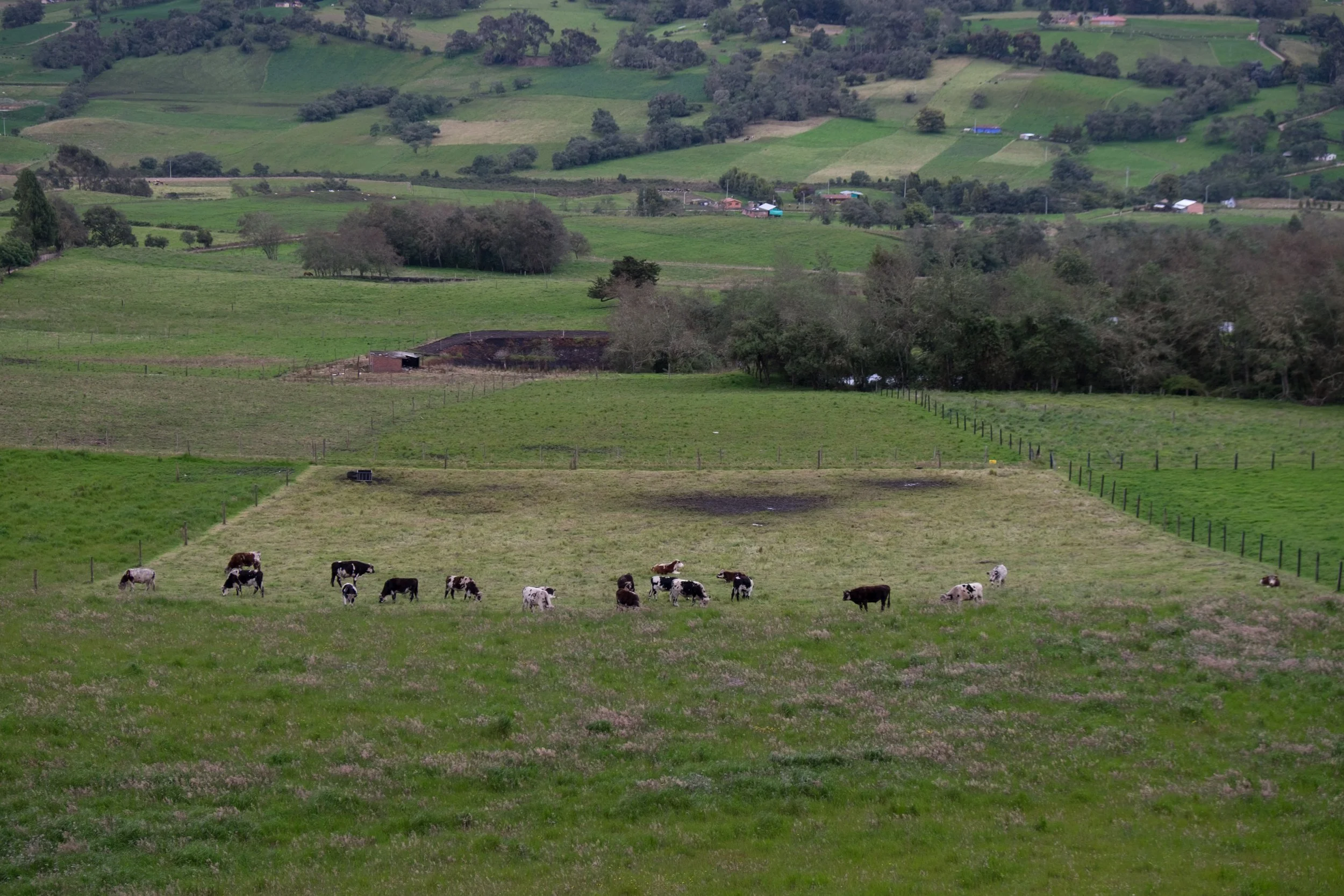
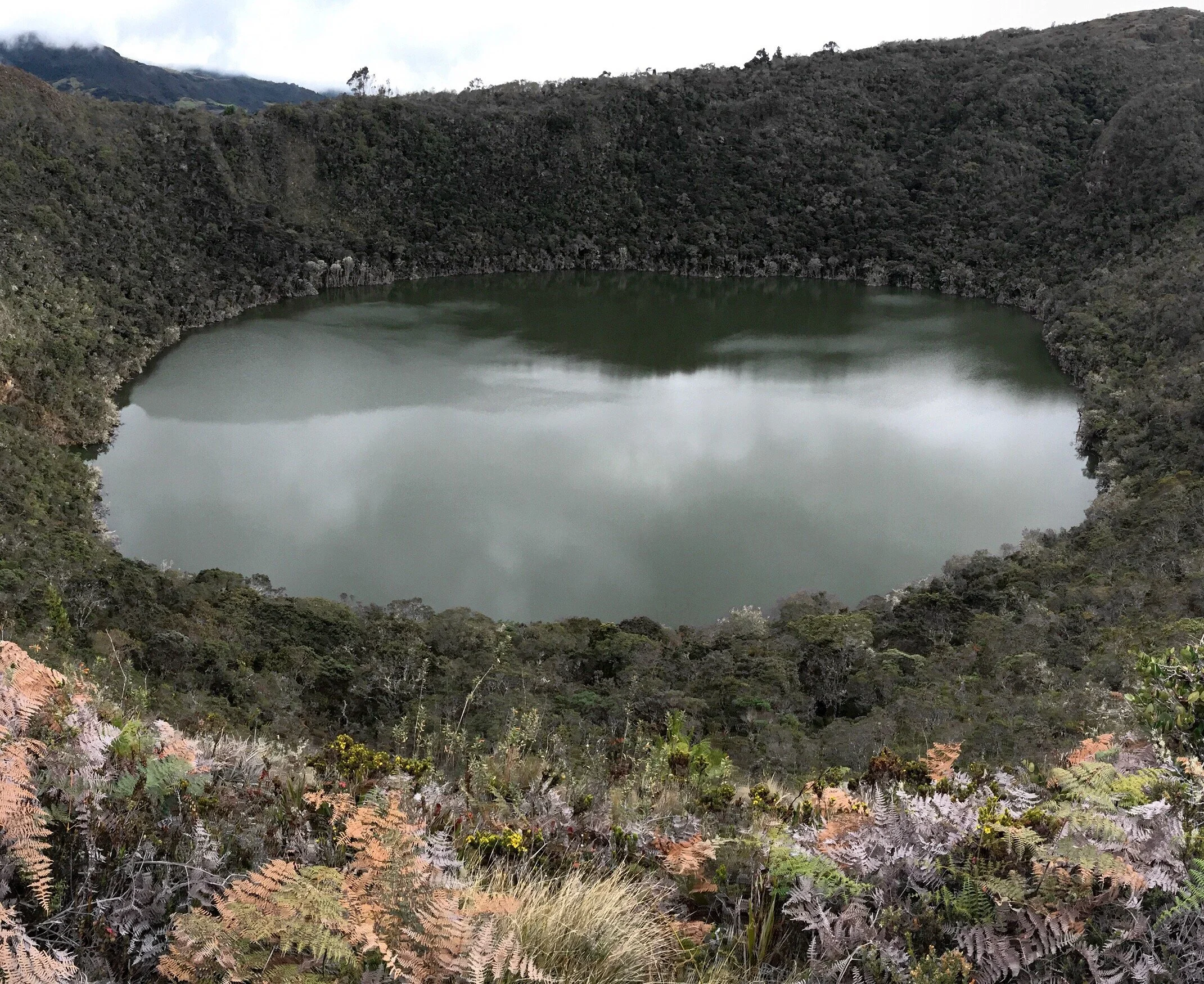
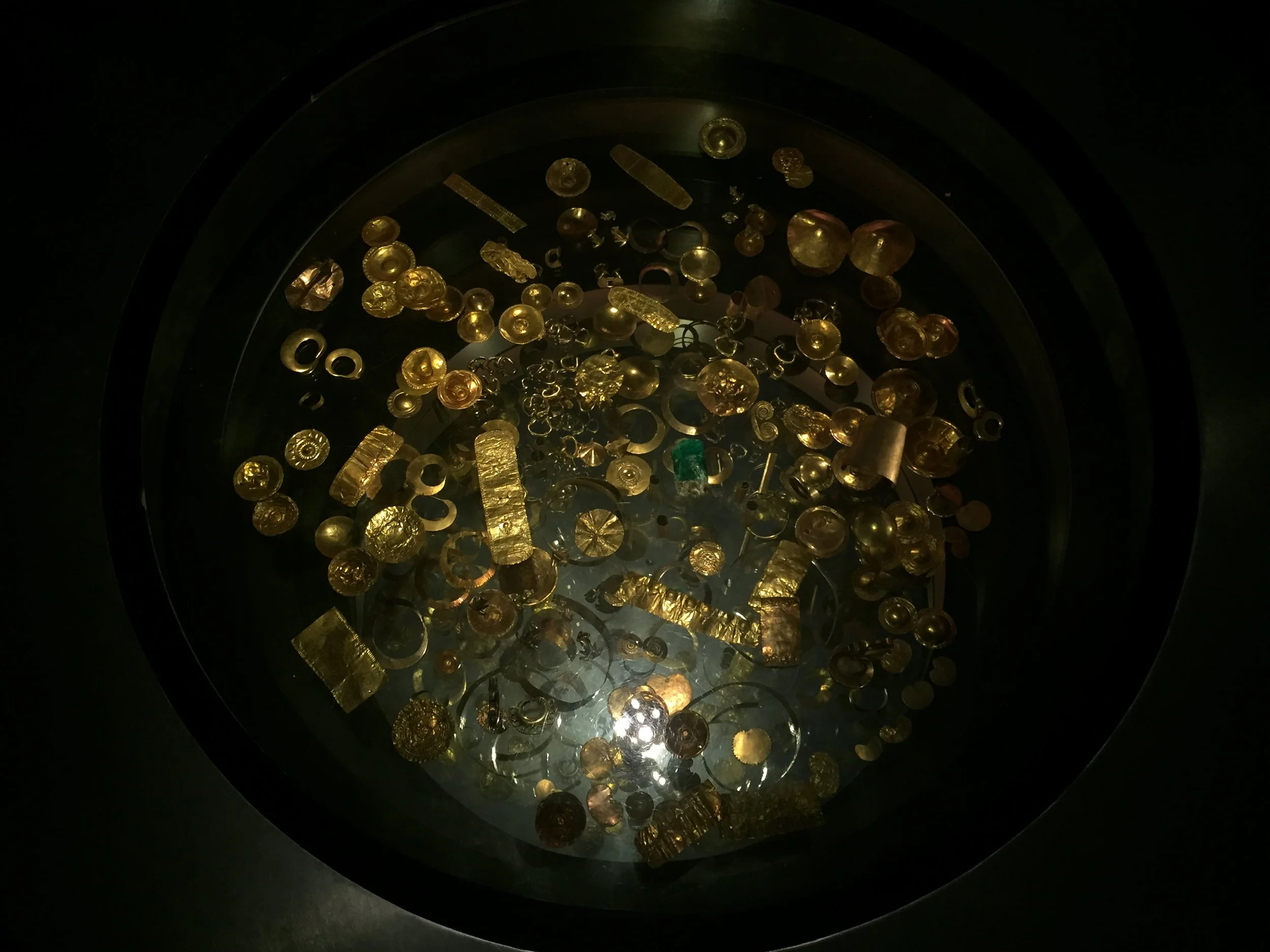
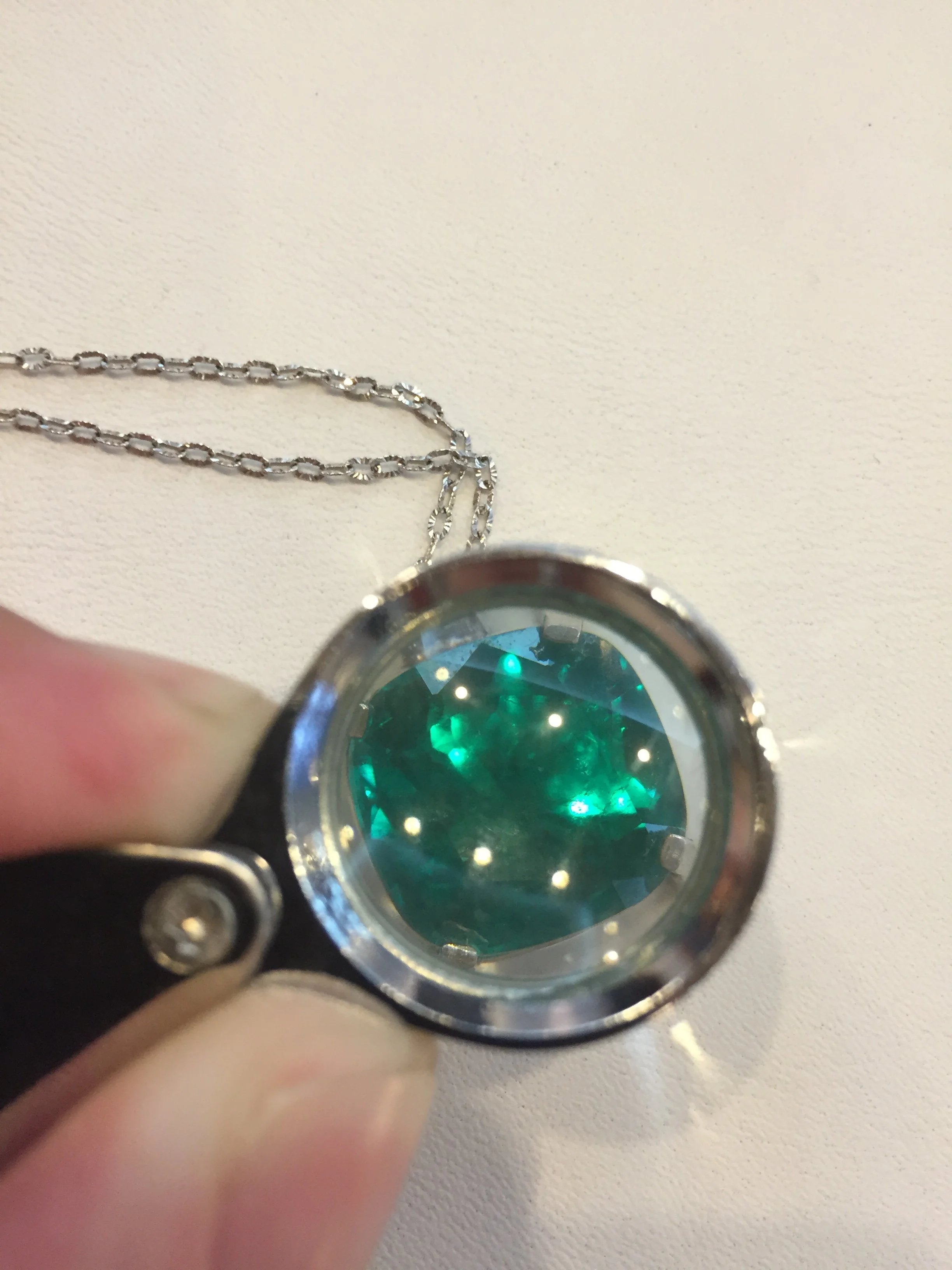
Between meetings and the inevitable after-hours that come with business travel, I managed to see a few things. We visited the Museo del Oro — room after room of pre-Columbian goldwork, the objects that gave birth to the El Dorado myth, pulled from the very lake we'd later drive out to see. Next door, practically, a museum dedicated entirely to emeralds: the other thing Colombia pulls from the ground that makes people do unreasonable things. The sacred lake at the heart of the El Dorado legend — where the Muisca would cover their chief in gold dust and row him to the centre — is quiet and still; it doesn't look like the origin of a legend. Which is maybe the point.
We took the funicular up to Monserrate at 3,152 metres — from up there, Bogotá looks exactly like a city someone built in SimCity: dense, orderly in its chaos, spreading to the horizon in every direction.
I visited a museum of emeralds that made me understand for the first time why people have always been willing to do terrible things for green stones.
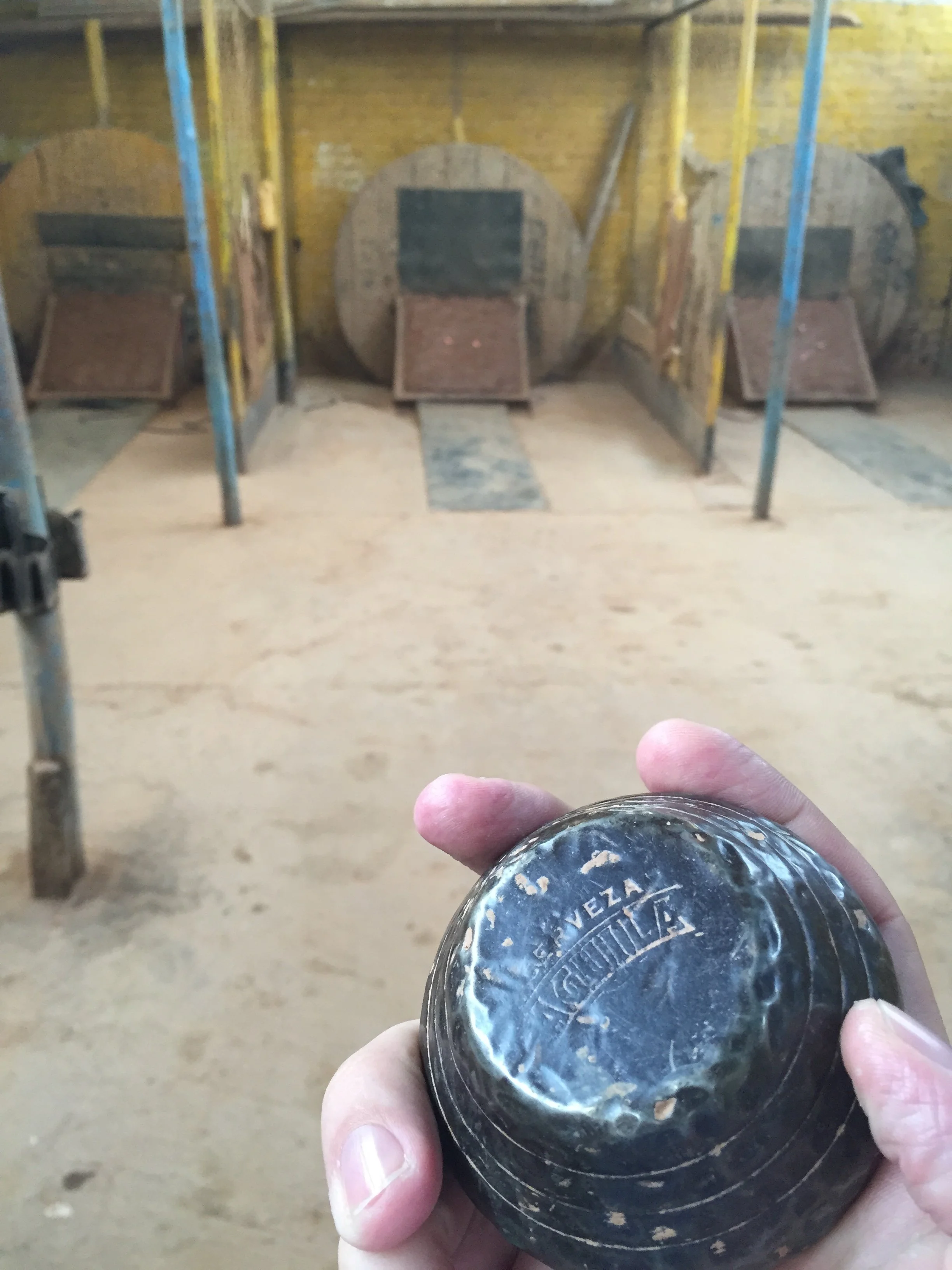
Tejo was on our agenda too. Colombia's national sport: you throw a heavy metal disc across a clay court and try to hit small packets of gunpowder embedded in the target. When you do, there's an explosion. Everyone cheers. You drink beer and go again. We played for hours. Nobody kept score.
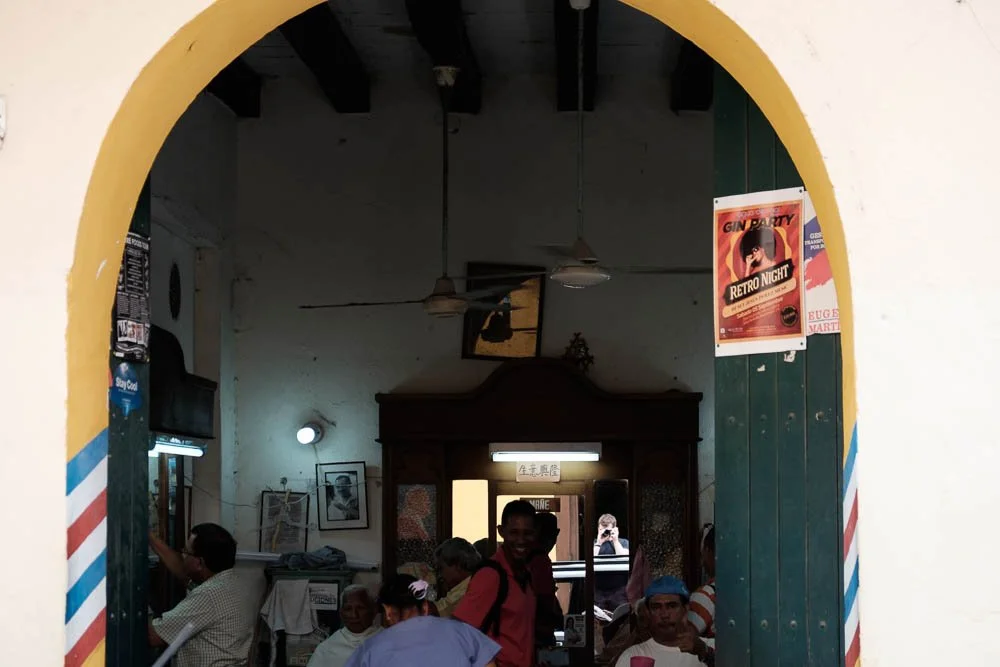
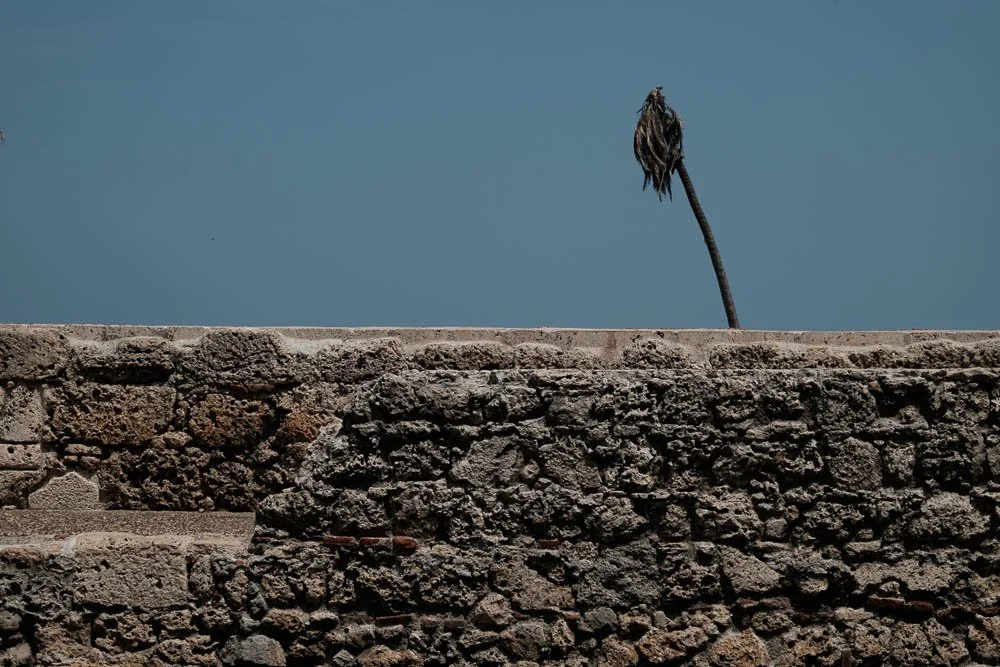
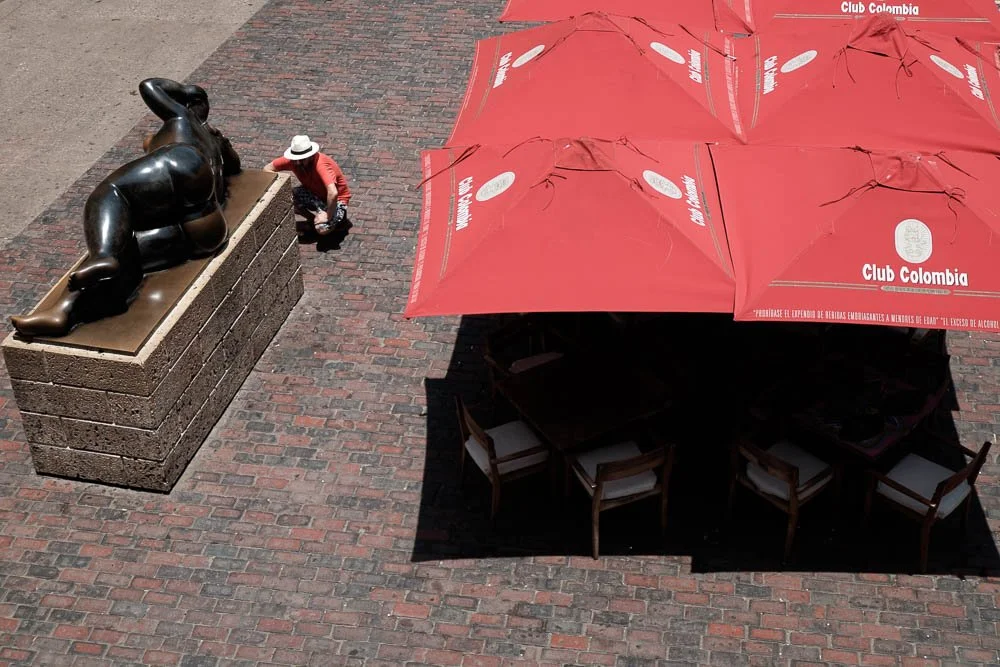
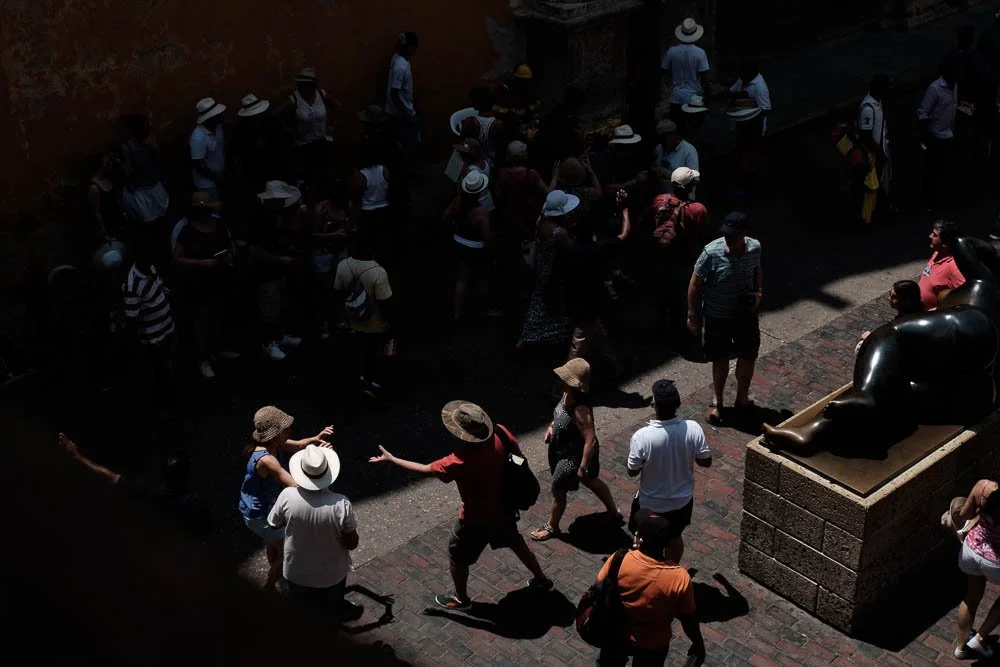
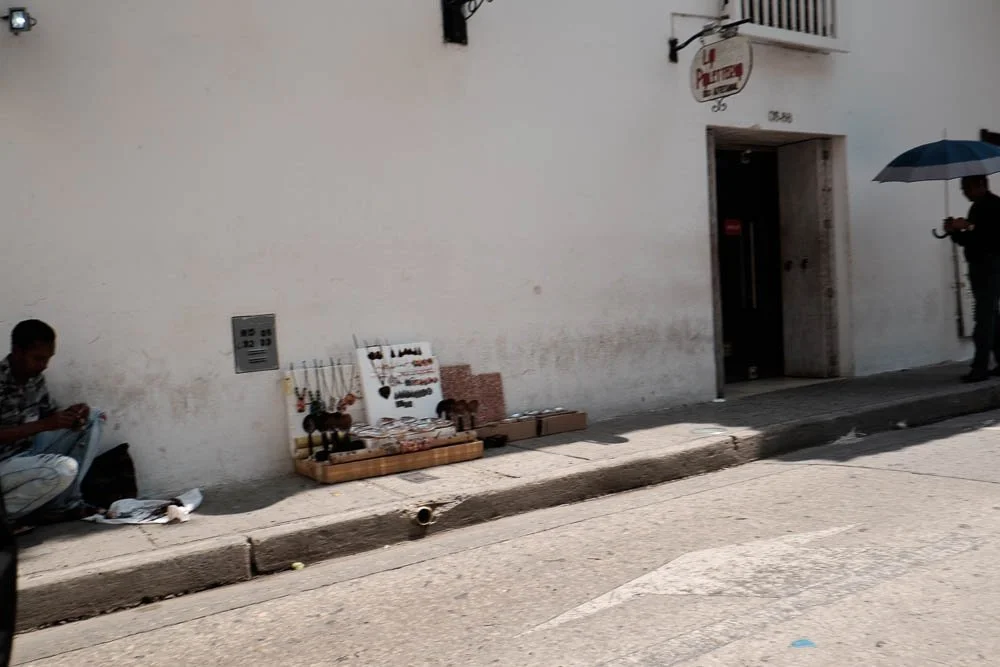
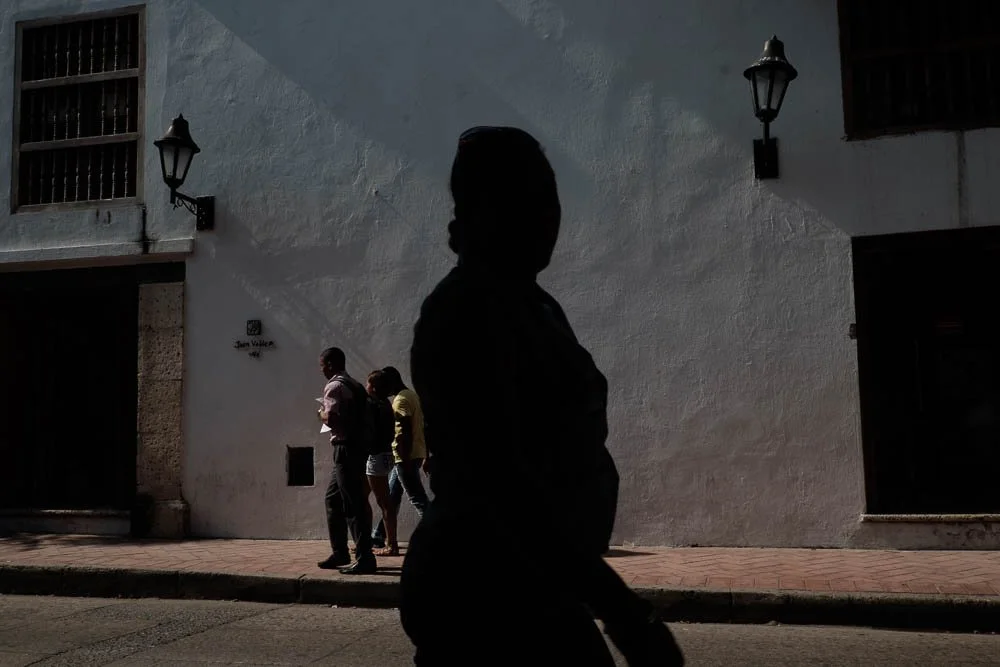
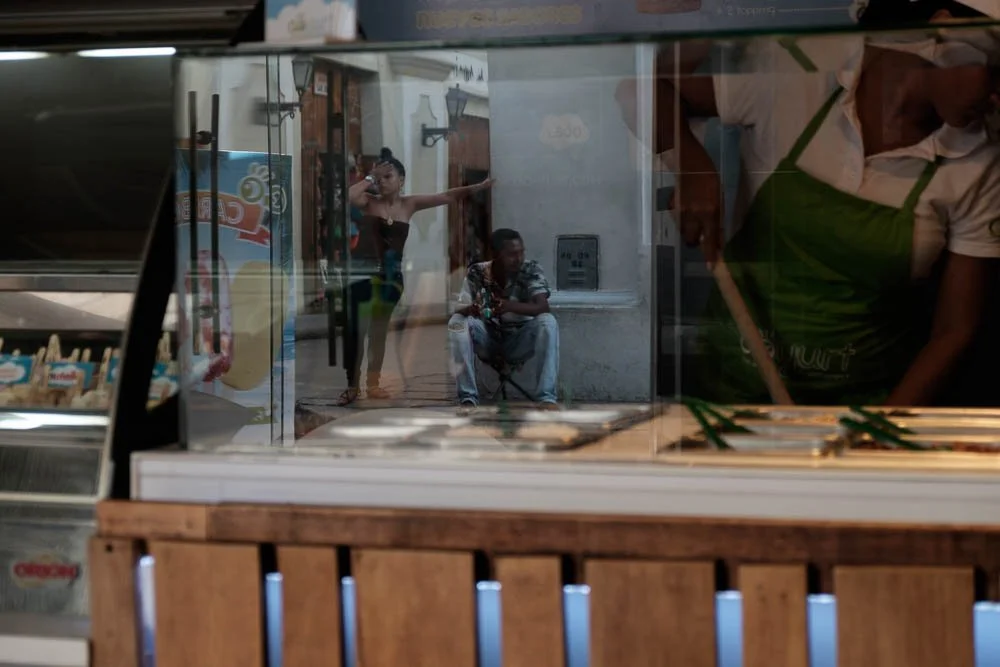
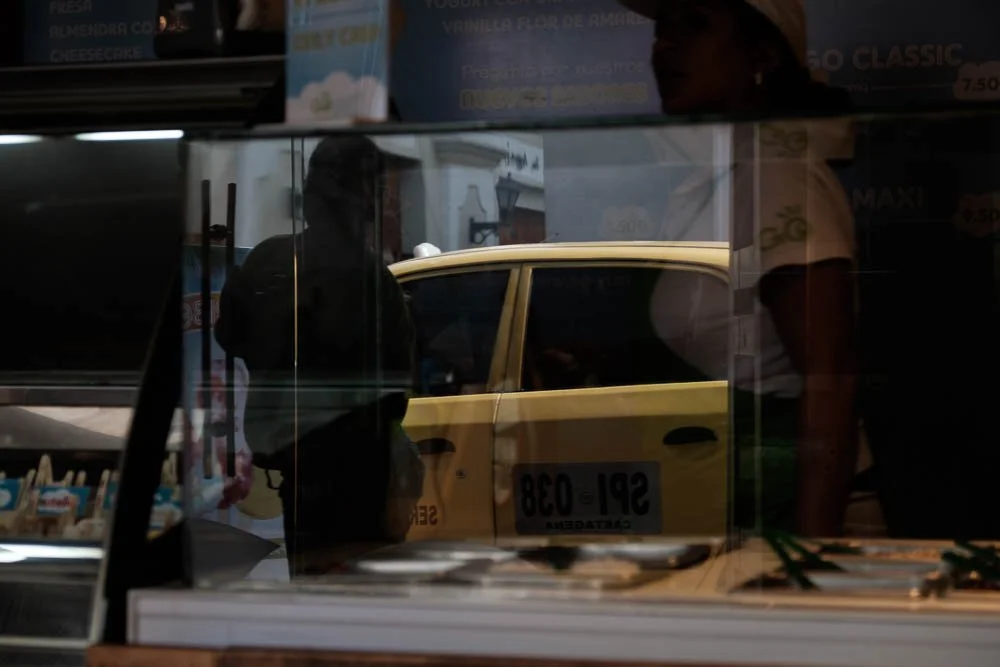
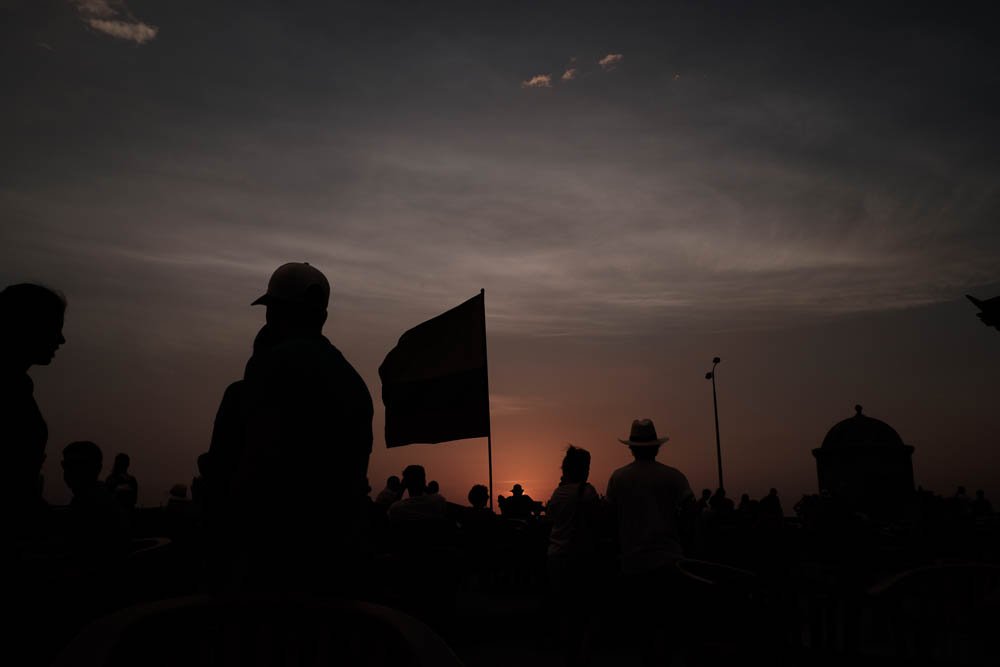
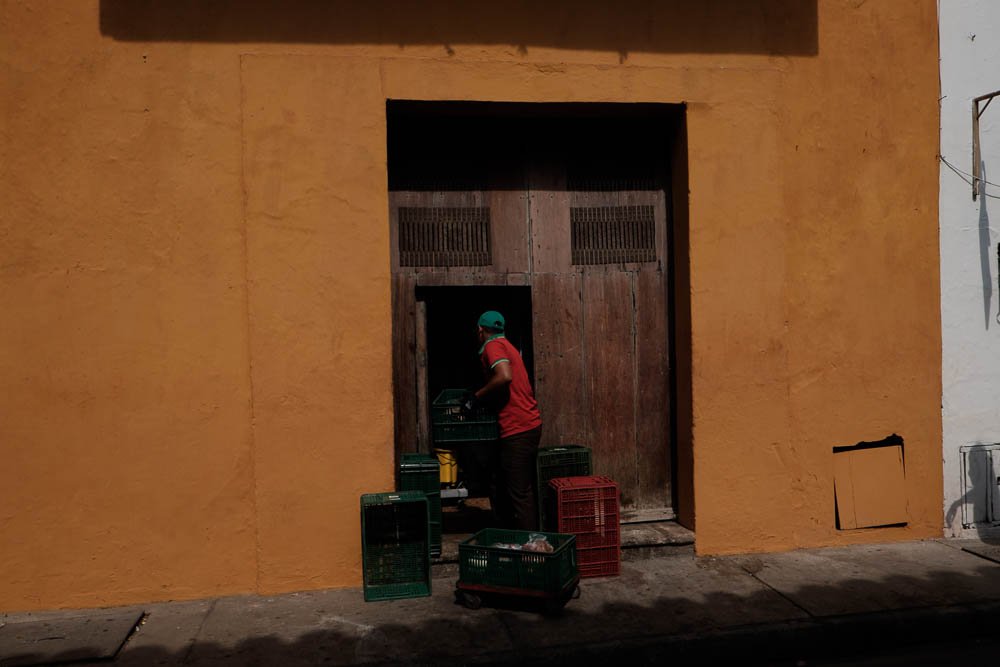
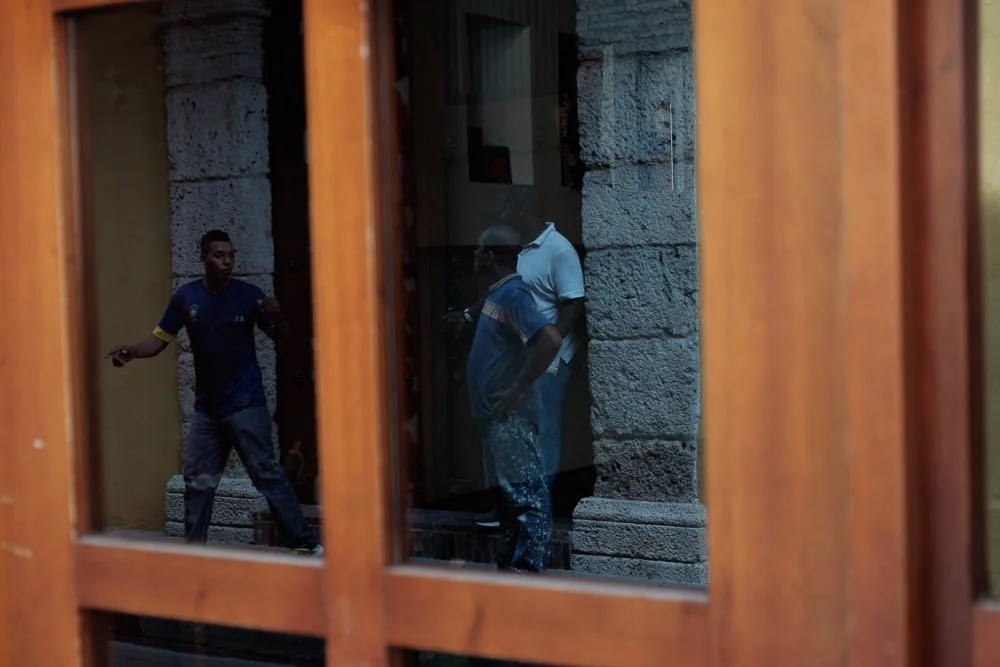
Two days at the end were spent in Cartagena, squeezed in somehow. Walking through the old city felt like stepping onto a film set — Black Sails, colonial walls, the Caribbean heat, colours that don't exist in European cities. At the hotel, I arrived before my room was ready, sat at reception, and asked for the WiFi password. The woman at the desk looked up and called across the lobby — "¡El señor quiere WiFi!" — as if I'd requested something mildly exotic. I liked that. The evenings there were slow, the sunsets enormous.
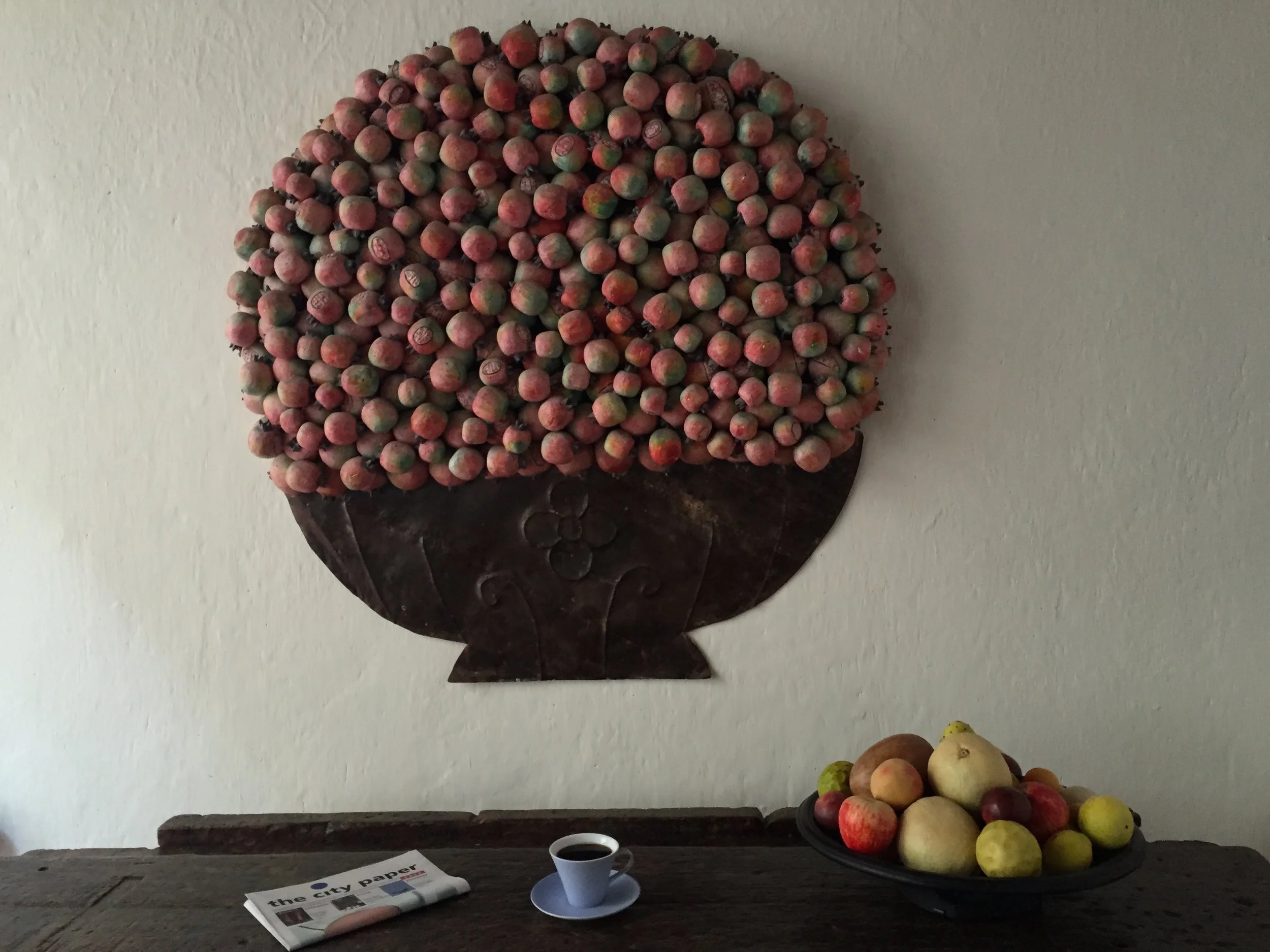
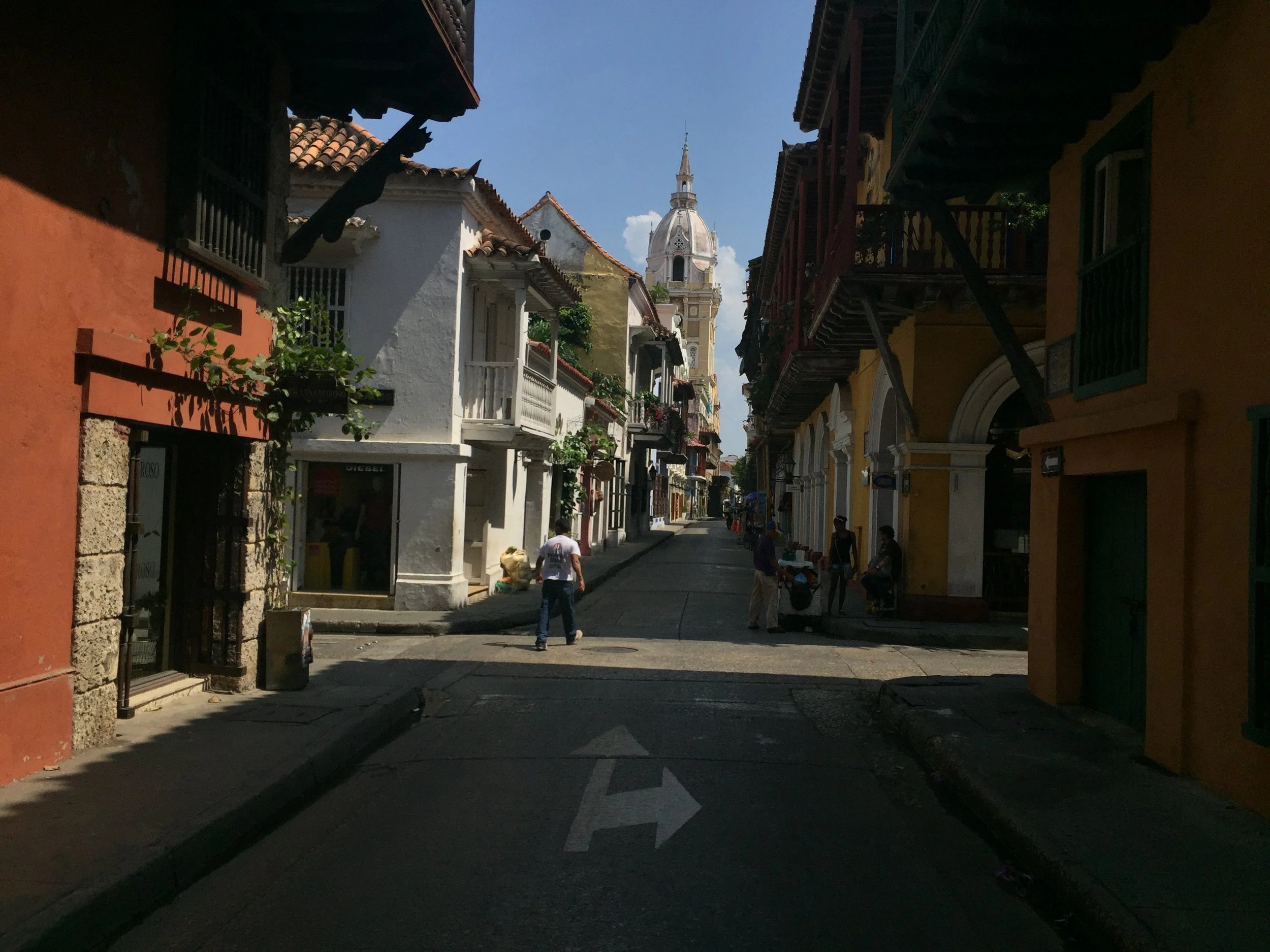
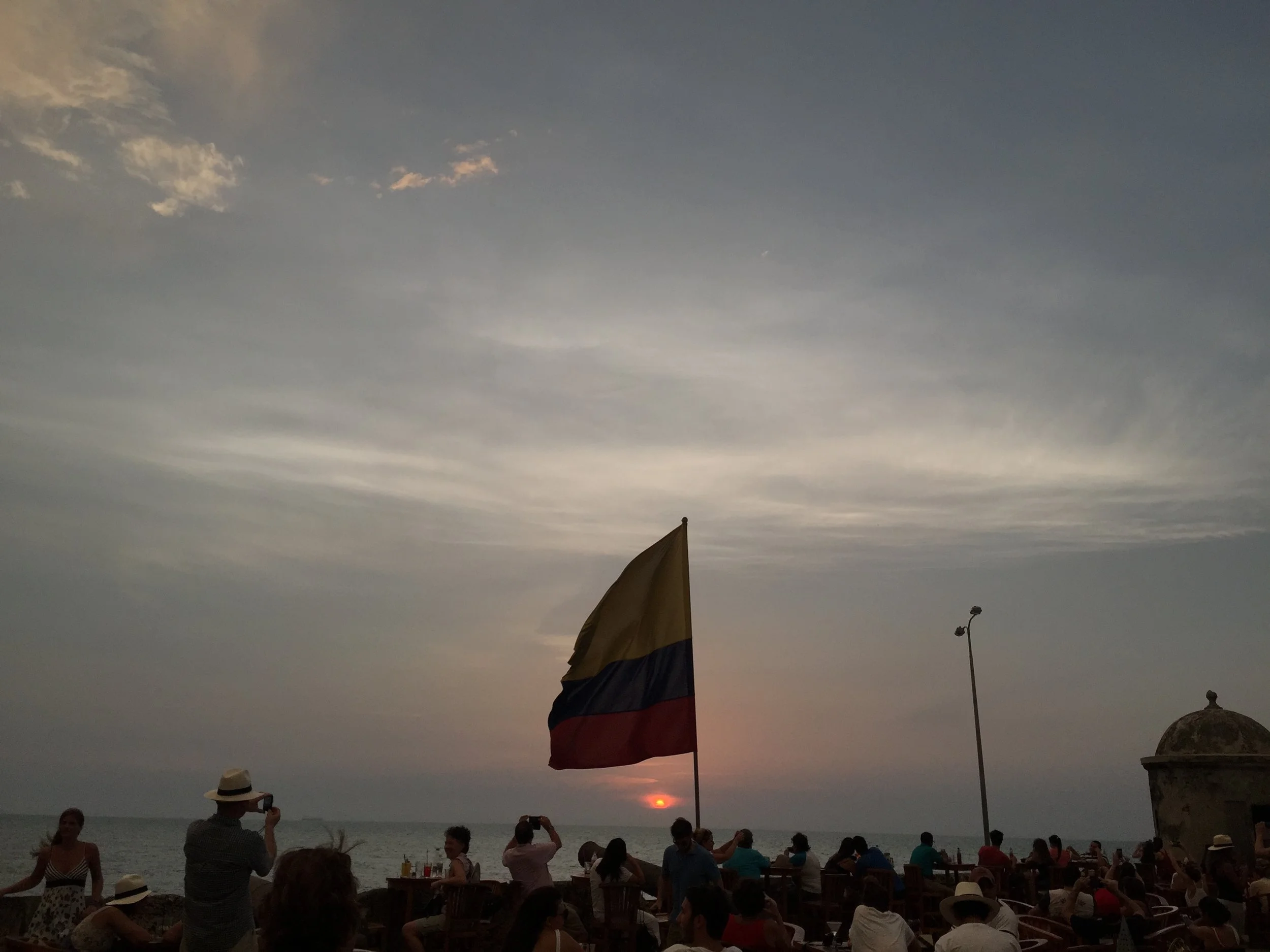
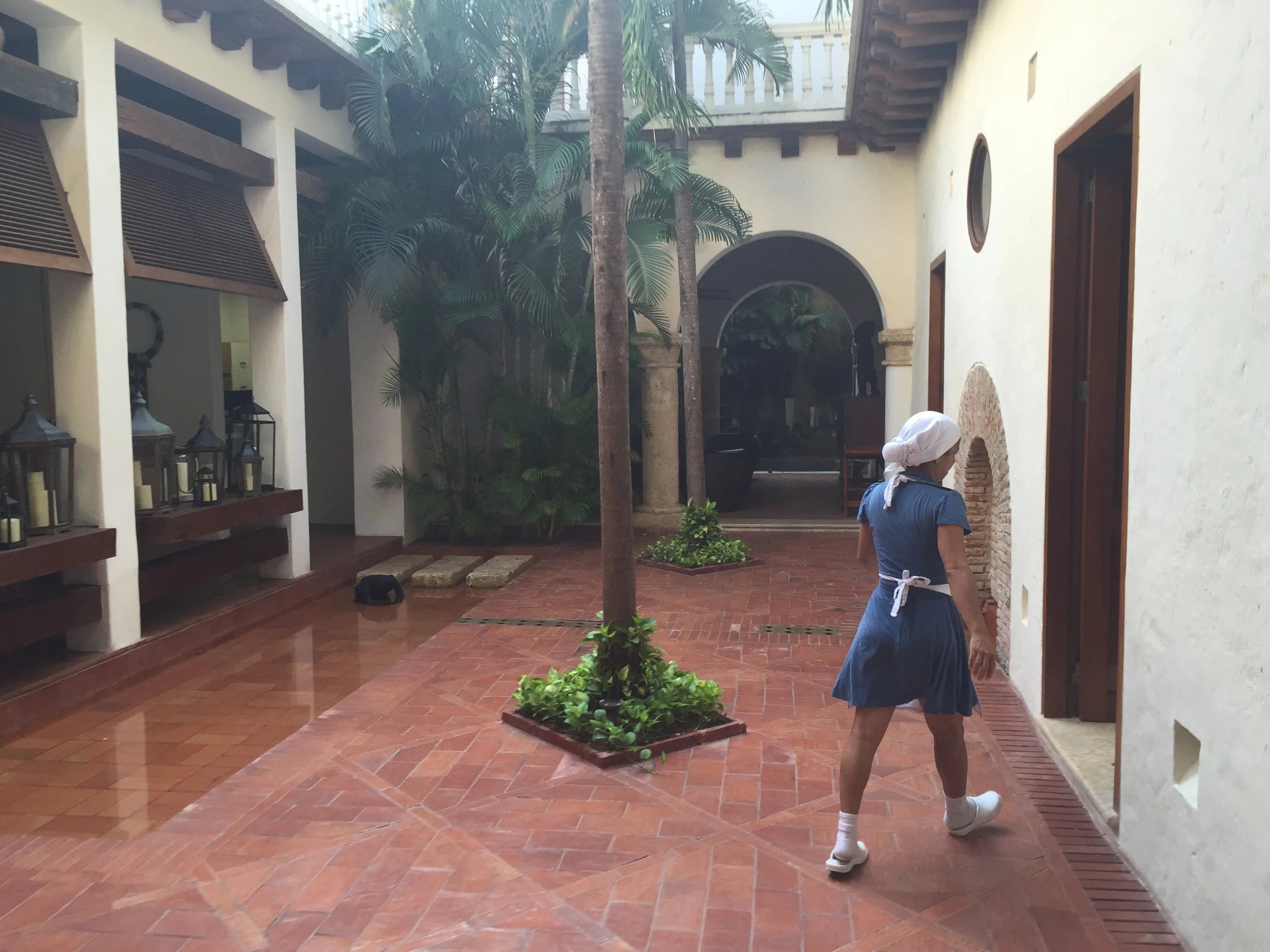
I remember I photographed a lot.
On the plane home I went through everything and selected what seemed like the best frames. Exported them small — just Flickr-resolution — and uploaded from the airport. A quick edit, a quick share. The original files stayed on the memory card, which stayed in the camera, which came with me to Georgia, and then straight into a family holiday in Barcelona.
On the second day in Barcelona, someone broke into our car and took my bag. Camera, laptop, backup drive — everything in one place, because I hadn't yet learned that a backup stored next to the original isn't really a backup.
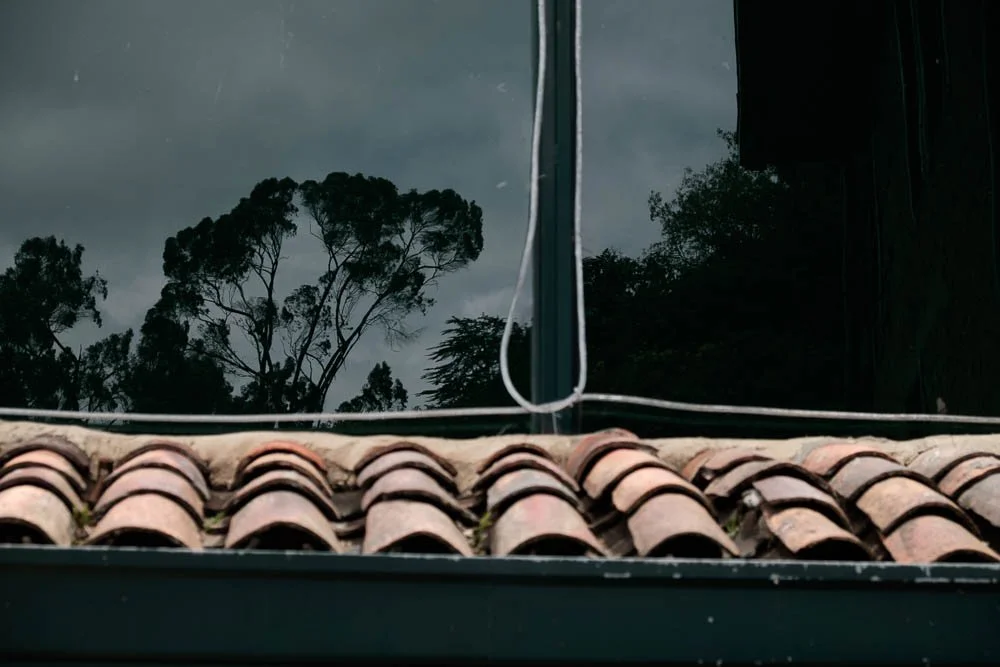
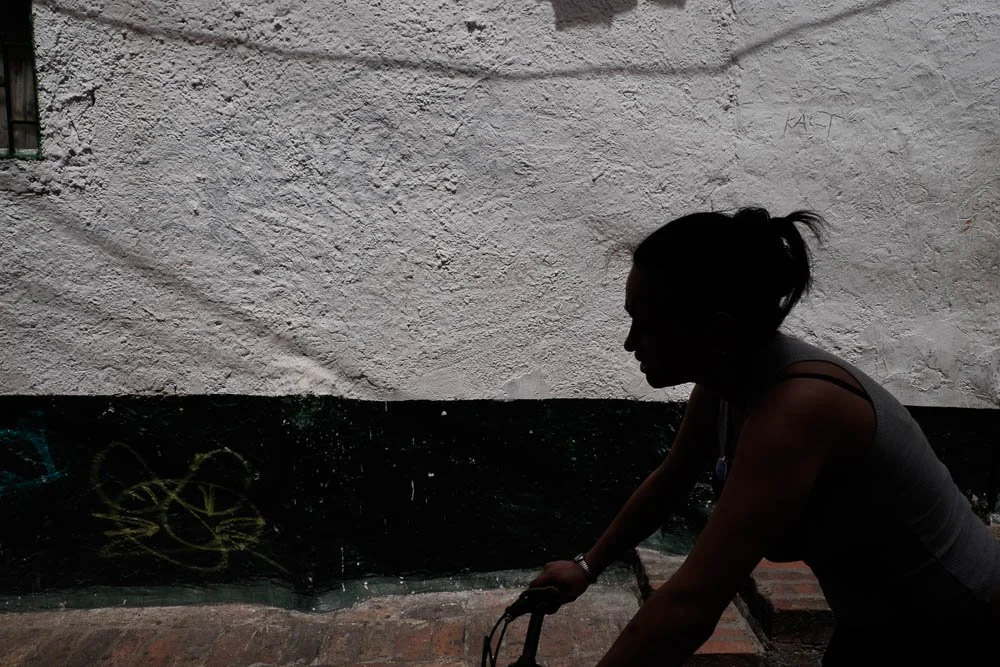
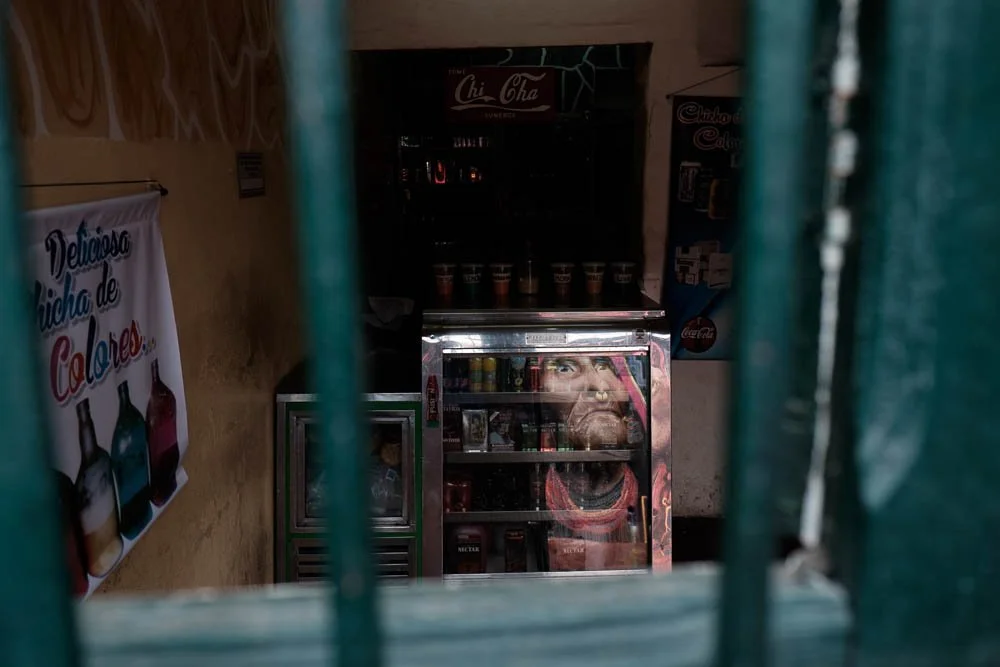
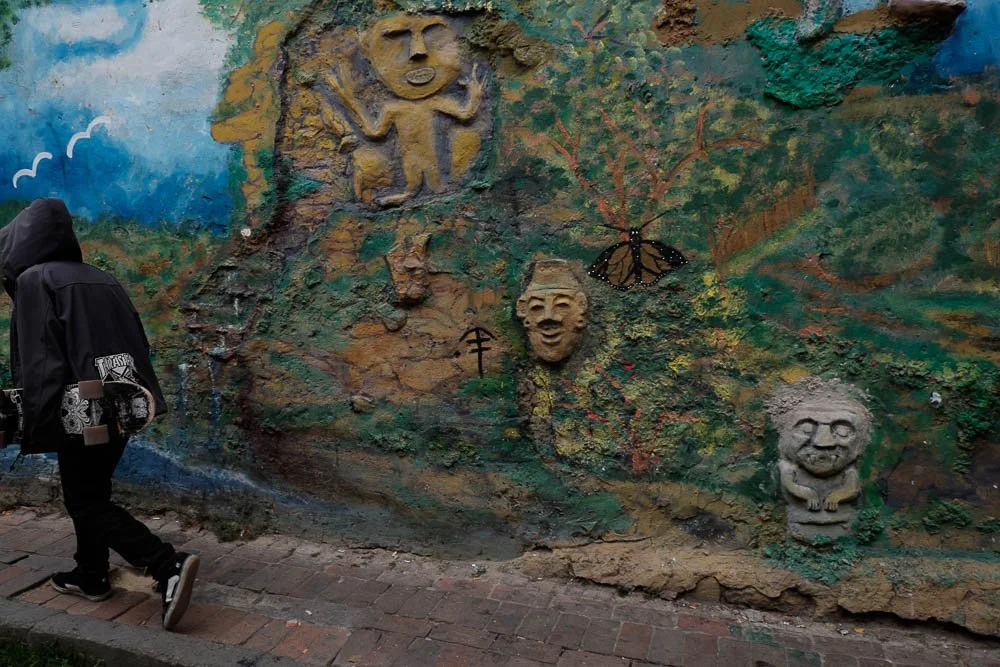
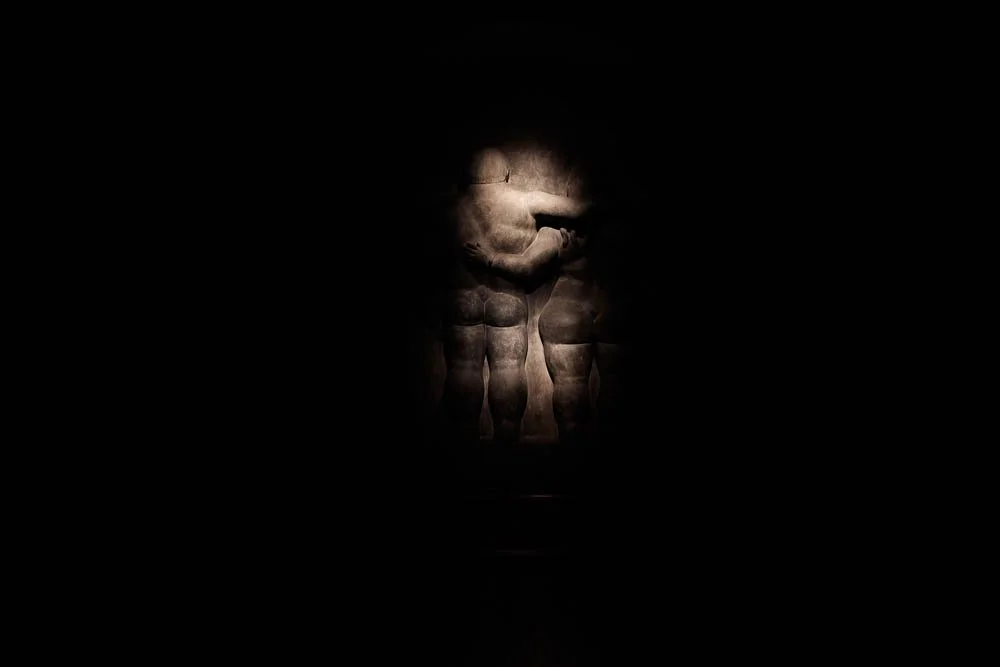
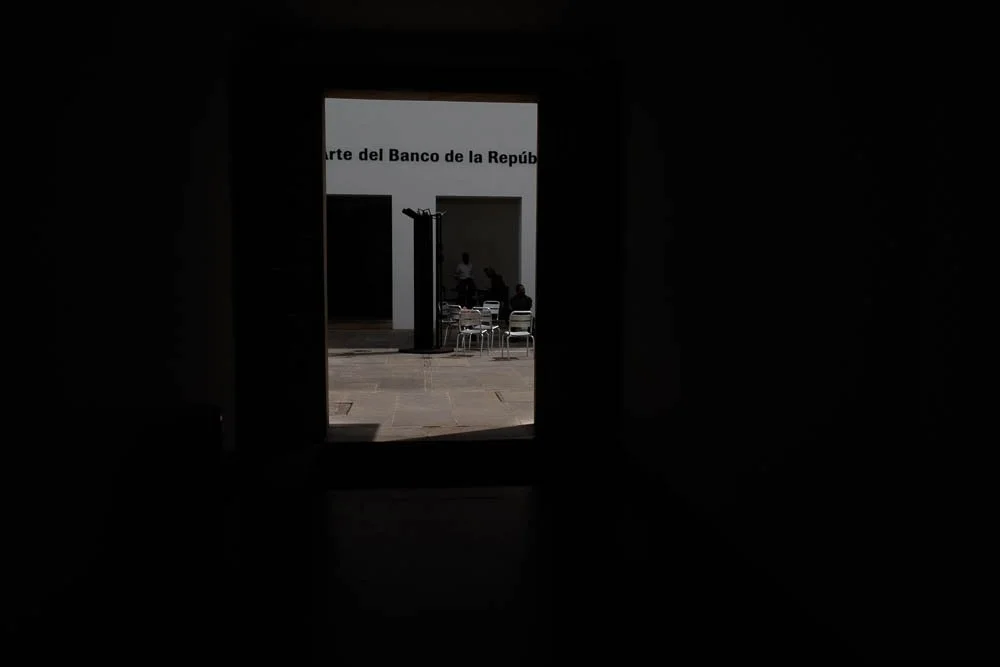
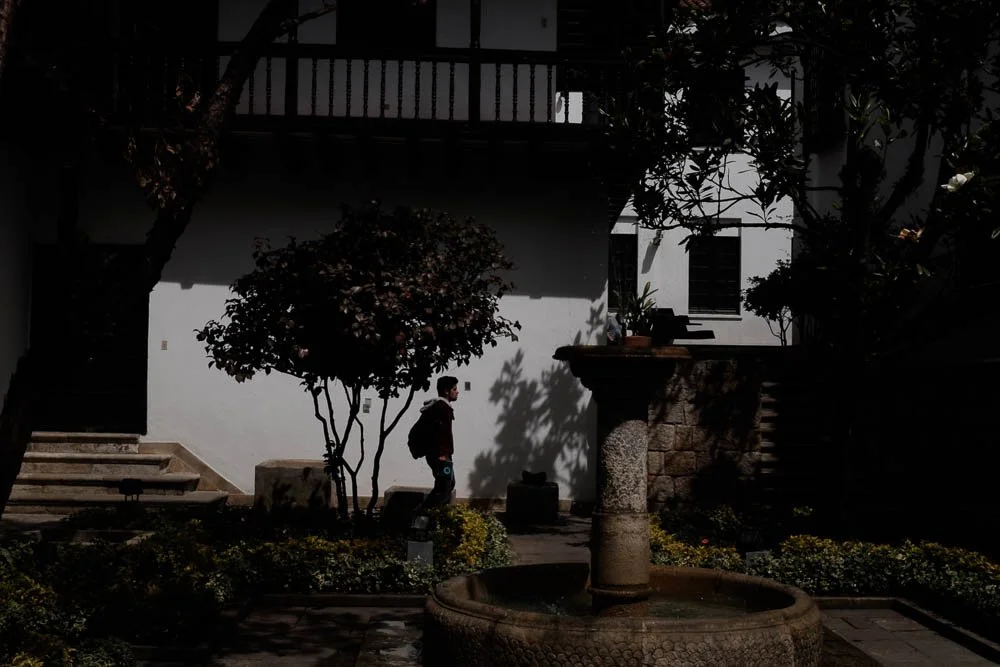
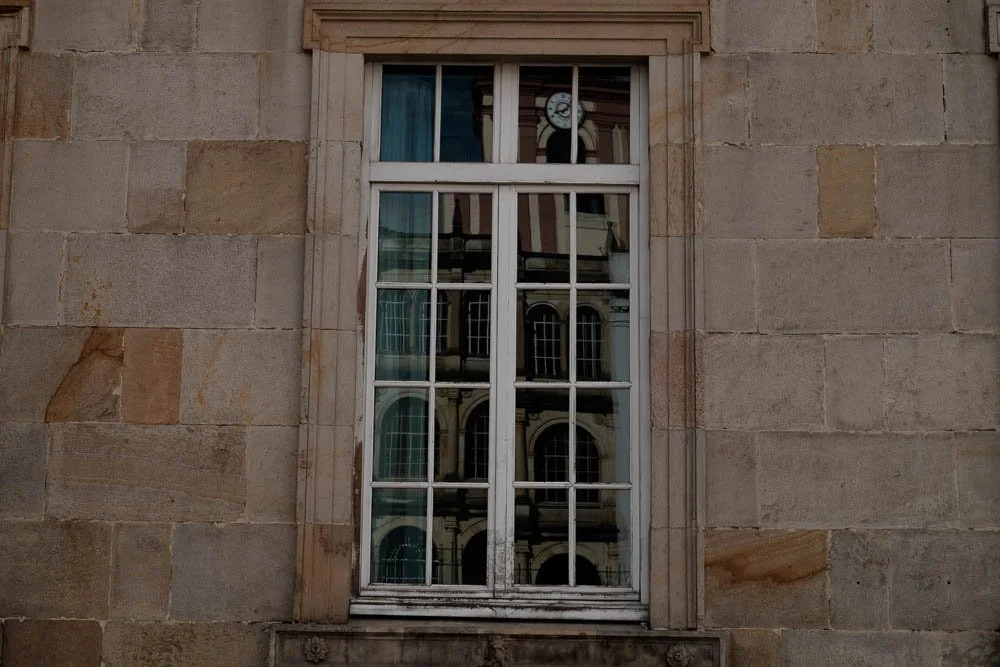
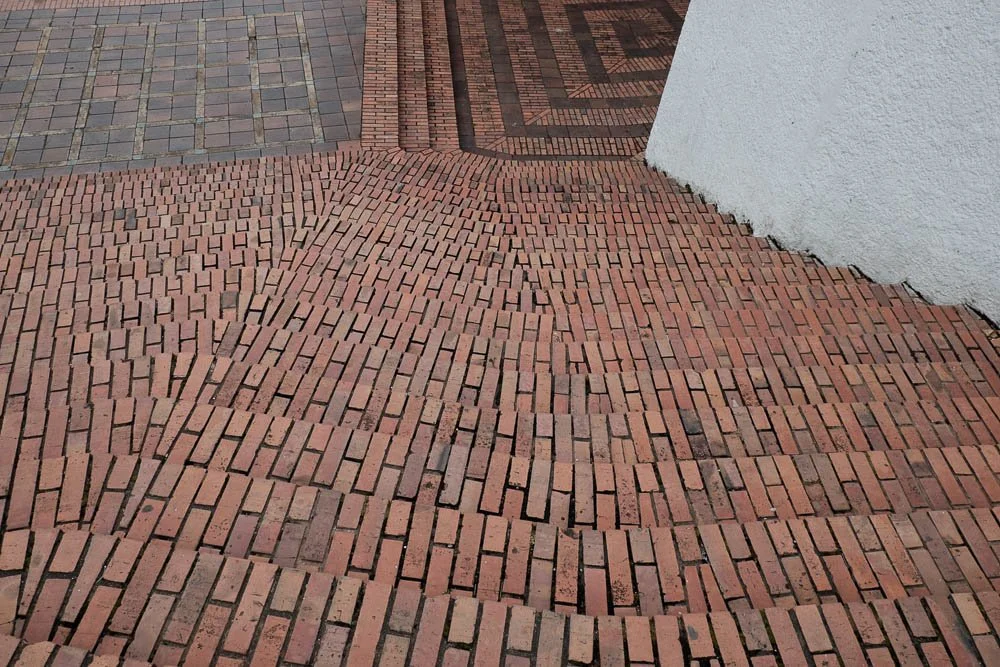
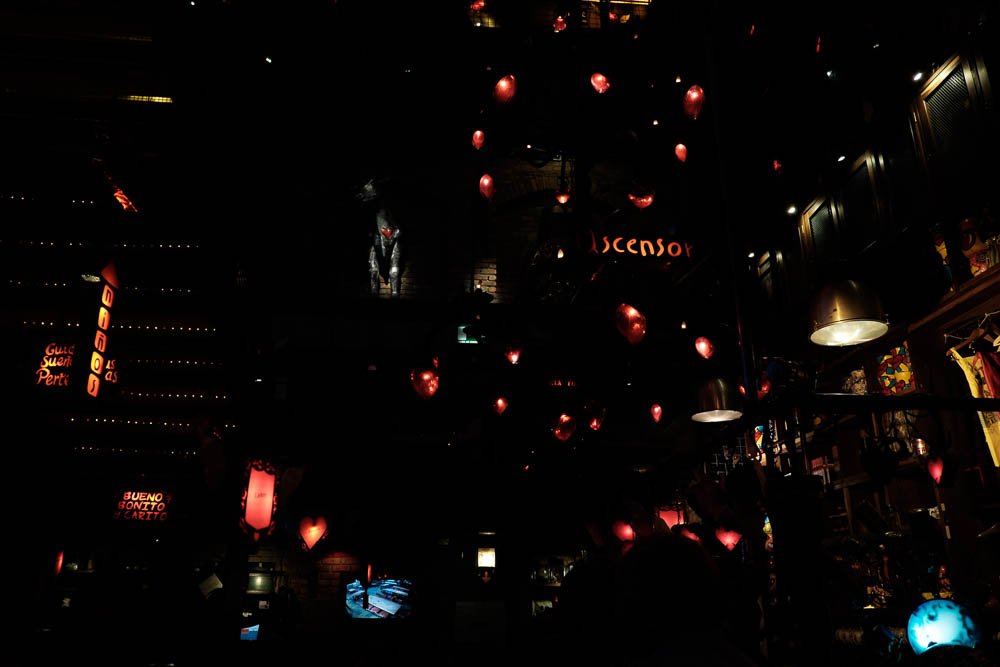
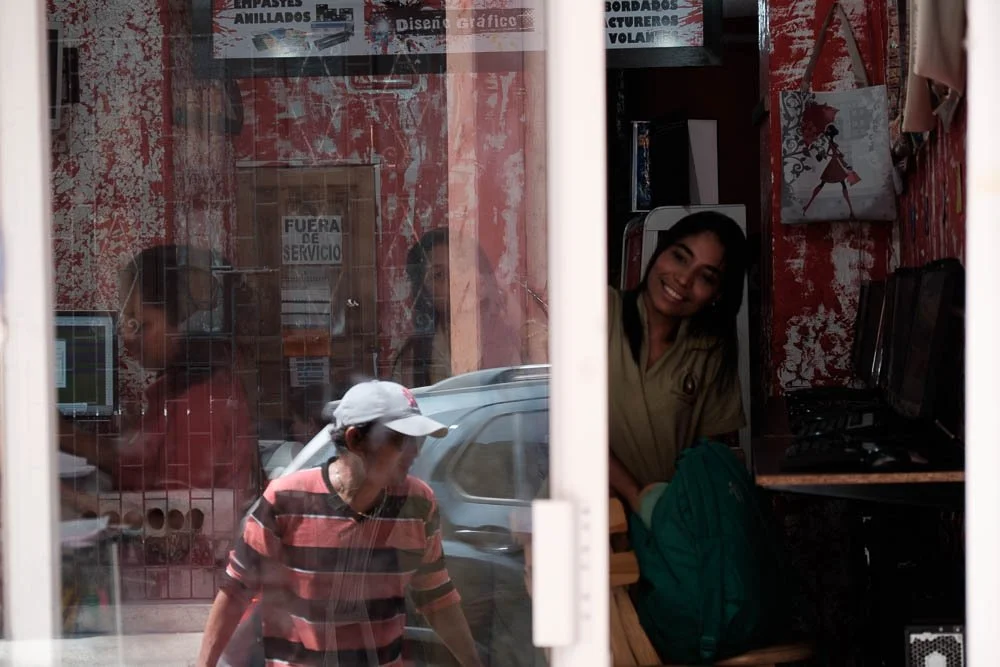
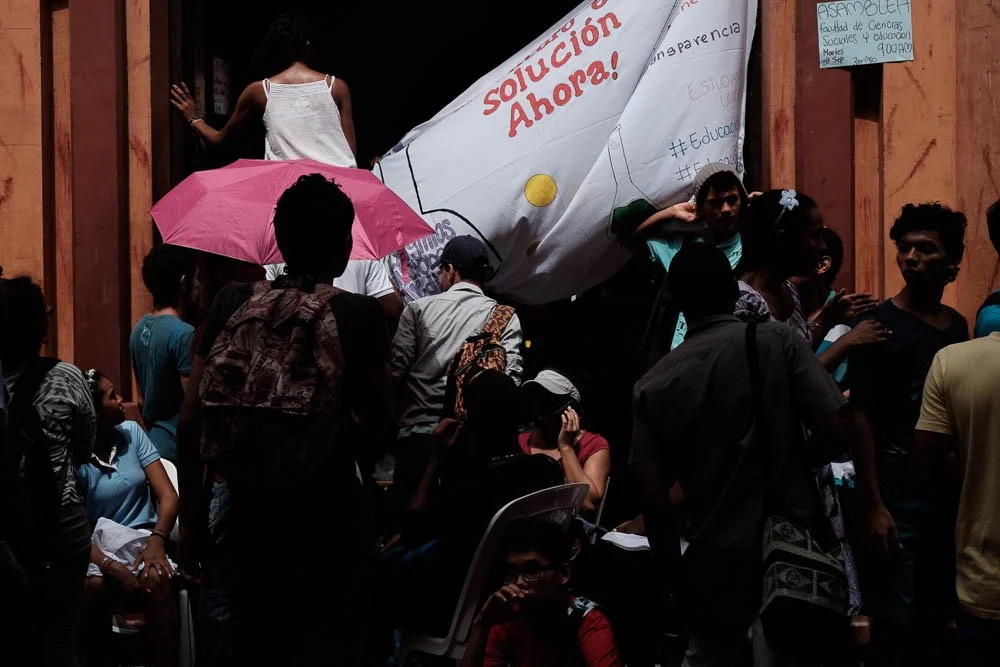
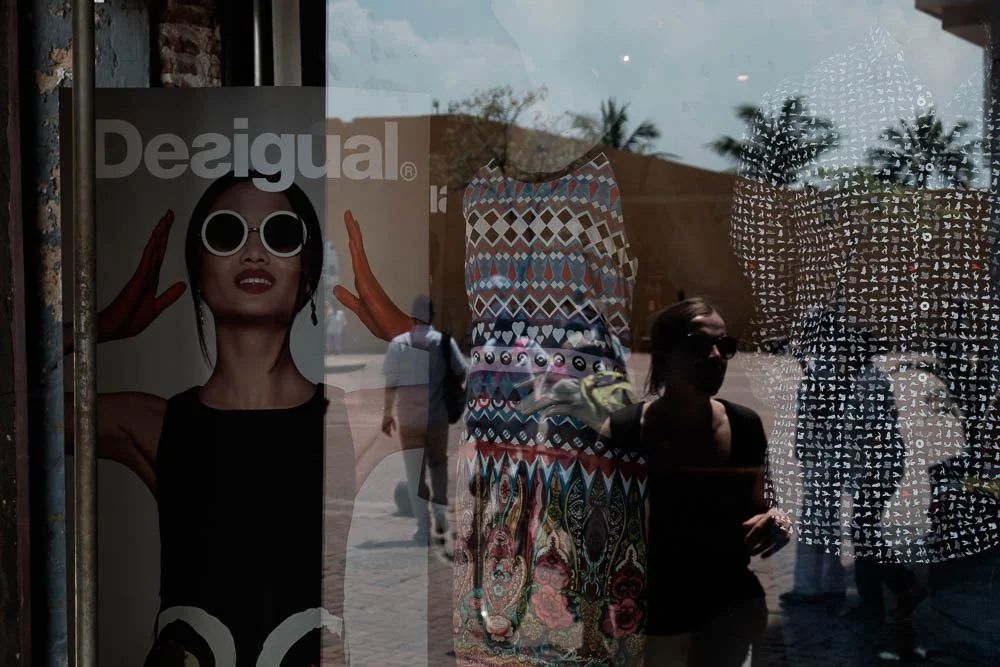
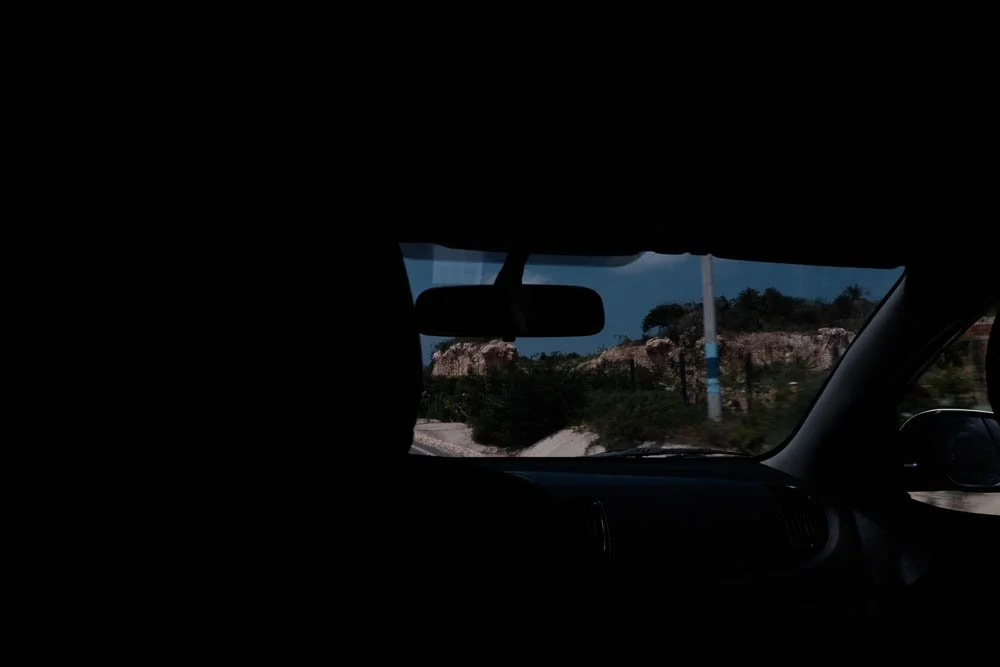
What you're looking at here is what survived: the low-res Flickr export from a plane over the Atlantic, made on instinct before anything was lost. I've thought about that decision many times since.
These days I keep copies in different cities.